From TOLEDO MUSEUM OF ART
On playgrounds, when kids are playing and something magic happens, many say the same thing: “Abracadabra!” Elsewhere, a person might clutch a crystal or rub a lucky charm like a rabbit’s foot. In all three cases, they are employing practices that date back to antiquity.
“Cursed! The Power of Magic in the Ancient World,” at the Toledo Museum of Art from March 21 to July 5, will connect visitors with how people long ago tried to understand power, danger, and uncertainty – concerns that are still familiar today.
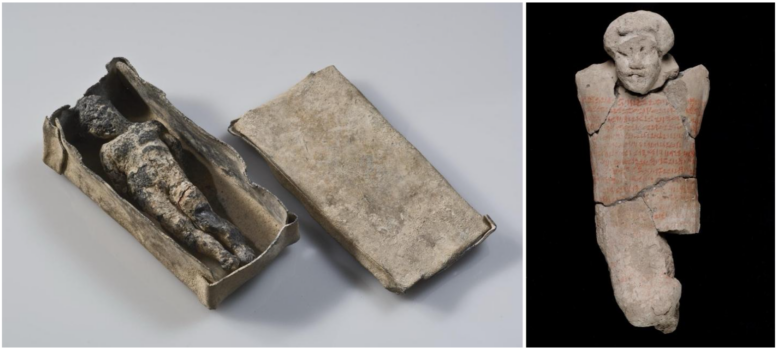
The show features about 75 objects, including sculptures, decorated pottery, amulets made of precious materials, and ancient papyrus scrolls. Many pieces are on loan from museums around the world, along with works from TMA’s own collection. The exhibition is guest curated by Dr. Jeffrey Spier, former senior curator of antiquities at the J. Paul Getty Museum. A fully illustrated exhibition catalog will also be available.
“There are remarkable similarities between the magical practices of the ancient world and perceptions of magic today. Magicians, witches, and ghosts like those in our fairy tales and movies have roots in the ancient world. Love charms and curses may no longer be common, but we can easily understand the emotions behind them. Examples of all these practices can be found in the exhibition,” said Spier.
In the ancient world, people believed supernatural forces surrounded them, including gods, spirits, demons, and the dead. Magicians, priests, and healers used rituals and spoken spells to call on these powers. Magic was used for many purposes: protecting families, healing illness, attracting love, harming enemies, or gaining an advantage in court cases or sporting events.
The exhibition highlights several key themes:
- Protective magic, such as wands and amulets used to guard newborn children or keep evil away.
- Communication with gods and the dead, including written appeals and prayers asking for help or guidance.
- Magic in daily life, shown through ritual objects and written instructions for spells.
- Differences between cultures, showing how views on magic changed depending on time and place.
In Greece and Rome, magic was often seen as dangerous or illegal, even though many people still practiced it. Spells and magical instructions spread widely through traveling magicians and written texts, including famous magical papyri discovered in Egypt.
In contrast, magic in Egypt and Mesopotamia was often part of official religion, practiced by trained priests who used spells and sacred objects to heal illness and protect communities. After Alexander the Great conquered Egypt and parts of the Near East around 330 BCE, traditions from different cultures blended. This led to new forms of magical practice and the creation of inscribed amulets and books of spells that spread across the ancient world.
“Cursed! The Power of Magic in the Ancient World” is a rare, once-in-a-generation opportunity for Toledo to encounter nearly 75 extraordinary objects that rarely leave the collections of major museums around the world,” said Adam M. Levine, TMA’s Edward Drummond and Florence Scott Libbey director, president, and CEO. “We have been intentional about how we present these works so visitors can see not only the wonder of the ancient world, but also explore their own questions about power, vulnerability, and uncertainty reflected in this exhibition.”