
By JAN McLAUGHLIN
BG Independent News
As of today (July 22), Wood County has had 350 confirmed cases of cyclosporiasis, an intestinal illness caused by consuming food contaminated by feces.
“This is much larger than we’ve ever experienced in Wood County,” said Rachel Aeschliman, interim health commissioner at the Wood County Health Department.
“These are people who have seen their health care providers” and tested positive for the illness, Aeschliman said. There are undoubtedly many more people who have been infected, but have not sought medical care and have not been tested.
The health department staff is collecting food histories from people who have lab confirmed cyclosporiasis. Volunteer Medical Response Corps members are being enlisted to help with interviewing those diagnosed with the illness, Aeschliman said Wednesday morning.
Making this illness more challenging to identify the culprit is the length of time between when contaminated food is ingested and when symptoms show up. Someone who gets symptoms of intestinal distress today may have eaten the source of the illness two weeks earlier, Aeschliman said.
Because of the widespread nature of the cases, the response is state and national.
The Centers for Disease Control and Prevention has received reports of 4,173 laboratory-confirmed domestic cases of cyclosporiasis and is aware of more than 7,400 additional cases that are not yet laboratory confirmed and require further investigation and analysis. Many of the additional cases have been reported in Michigan and Ohio.
“Locally, we’re going to do our best to keep the public informed, and help the public make safe decisions,” Aeschliman said.
Aeschliman stressed that people don’t need to avoid vegetables – but just eat them after they have been cooked at 158 degrees, which kills the parasite. “We still want people to make good food choices,” she said.
And with local fresh produce available in stores and farmers markets, Aeschliman said shoppers should be aware of the source of their fresh fruits and vegetables.
“It’s OK to ask where food comes from,” she said.
Though investigations continue into the sources of the cyclosporiasis spreading across the nation, the Food and Drug Administration has issued the following recommendations:
- Consumers, restaurants, and retailers who purchased or received recalled iceberg lettuce distributed by Taylor Fresh Foods should discard it immediately and not consume it. Full refunds are also available at the location of purchase.
- Don’t eat recalled lettuce at any Taco Bell location or other restaurants. If you don’t know the source of the iceberg lettuce, ask the restaurant.
- If you have symptoms of cyclosporiasis, contact your health care provider to report symptoms and receive care, especially if you ate shredded iceberg lettuce in the two weeks before you got sick.
- If you purchased or received recalled iceberg lettuce from Taylor Farms de Mexico, carefully clean and sanitize any surfaces or containers that it touched.
- Follow FDA’s safe handling and cleaning advice to reduce the risk of cross-contamination.
- Read FDA’s Cyclospora information for additional information about Cyclospora and what consumers can do.
“General rules to reduce risk of infection are to cook when you can and thoroughly rinse all fresh produce under running water, even if you plan to peel it,” Aeschliman said. “Simple food safety practices are the best ways to reduce the risk of many foodborne illnesses.”
WCHD recommends the following food safety practices:
- Thoroughly rinse fresh fruits and vegetables under running water before eating, cutting, or cooking them.
- Wash hands with soap and water before preparing food and before eating.
- Clean cutting boards, knives, countertops, and other food preparation surfaces before and after use.
- Keep ready-to-eat foods separate from raw meat, poultry, seafood, and eggs to prevent cross-contamination.
- Cook food to 158 degrees Fahrenheit or higher to kill Cyclospora.
- Refrigerate perishable foods promptly.
Cyclosporiasis is not typically spread from person to person. Symptoms of cyclosporiasis typically develop within two to 14 days after exposure and may include:
- Watery diarrhea – the most common symptom
- Loss of appetite
- Weight loss
- Abdominal cramps and/or bloating
- Nausea
- Prolonged fatigue
- Low-grade fever
Anyone experiencing symptoms should contact their healthcare provider. If left untreated, symptoms could last a few days to a month or longer, with symptoms returning after initial improvement.
As part of the investigation, the Wood County Health Department’s Epidemiology Team is contacting individuals diagnosed with cyclosporiasis to ask about recent foods eaten and other possible exposures. This information helps identify potential sources of illness and prevent additional cases.
Tyler Briggs, assistant director of Health Promotion & Prevention at Wood County Health Department, stressed the importance of washing produce before eating – even if it’s labeled “pre-washed” – since contamination can occur at several different points during preparation and packaging.
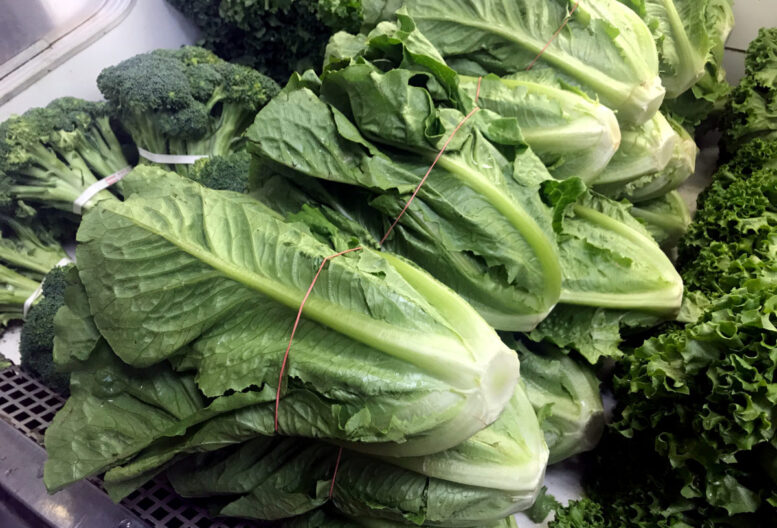
Public health investigations in the past have traced outbreaks back to a single source, such as a large batch of produce that was distributed in the region or nationwide. A 2022 Florida outbreak was linked in part to bagged romaine lettuce in a Caesar salad mix.
But the delayed onset of symptoms makes the source of this illness difficult to identify.
“It can be hard to remember what you ate 14 days ago,” Briggs said, but health department staff are trained to help people recall what they have consumed.
A cyclosporiasis infection can often clear up on its own in healthy individuals, though symptoms may last several weeks.