By LINDSAY-JO DOUGLAS
BG Independent News
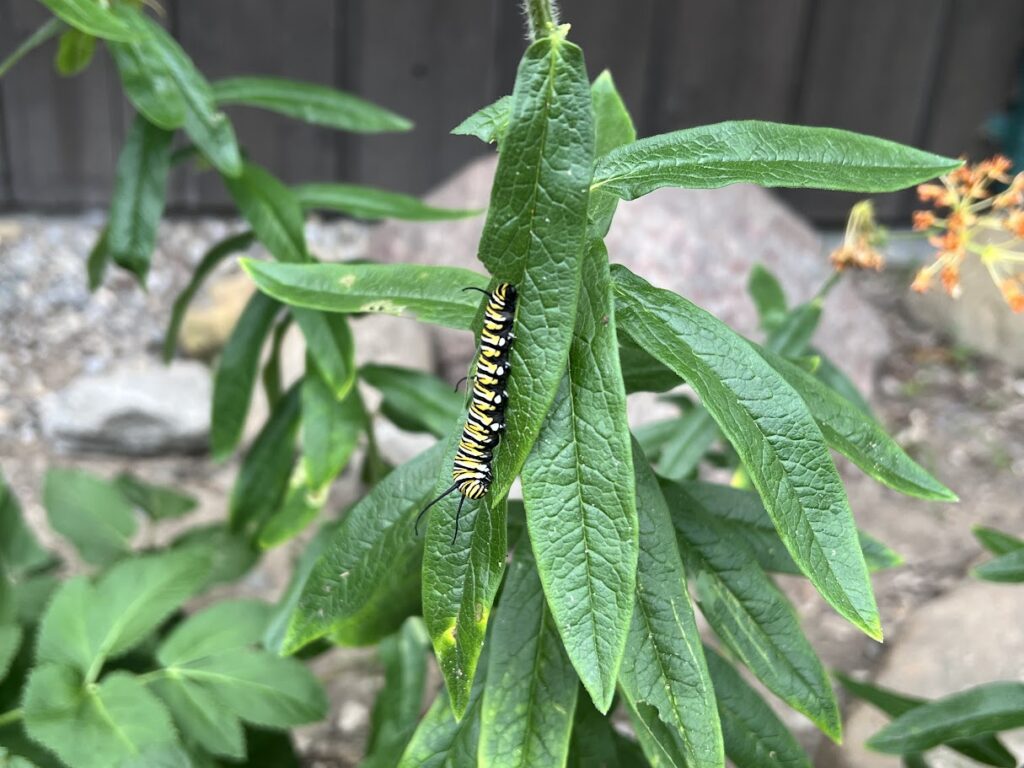
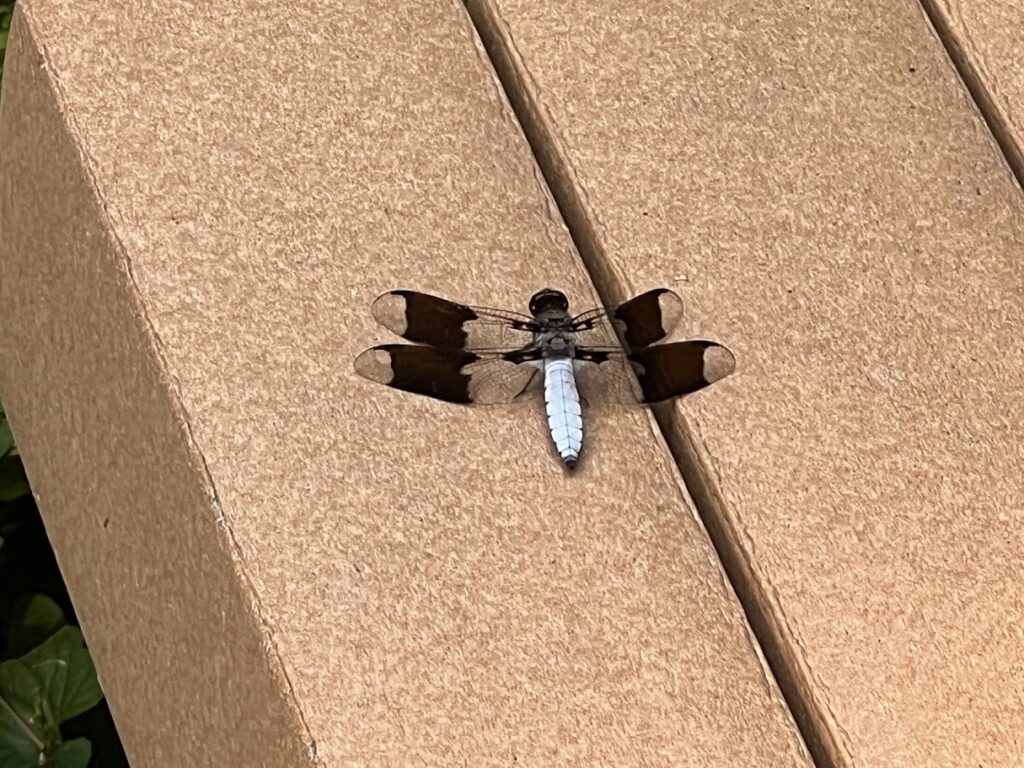
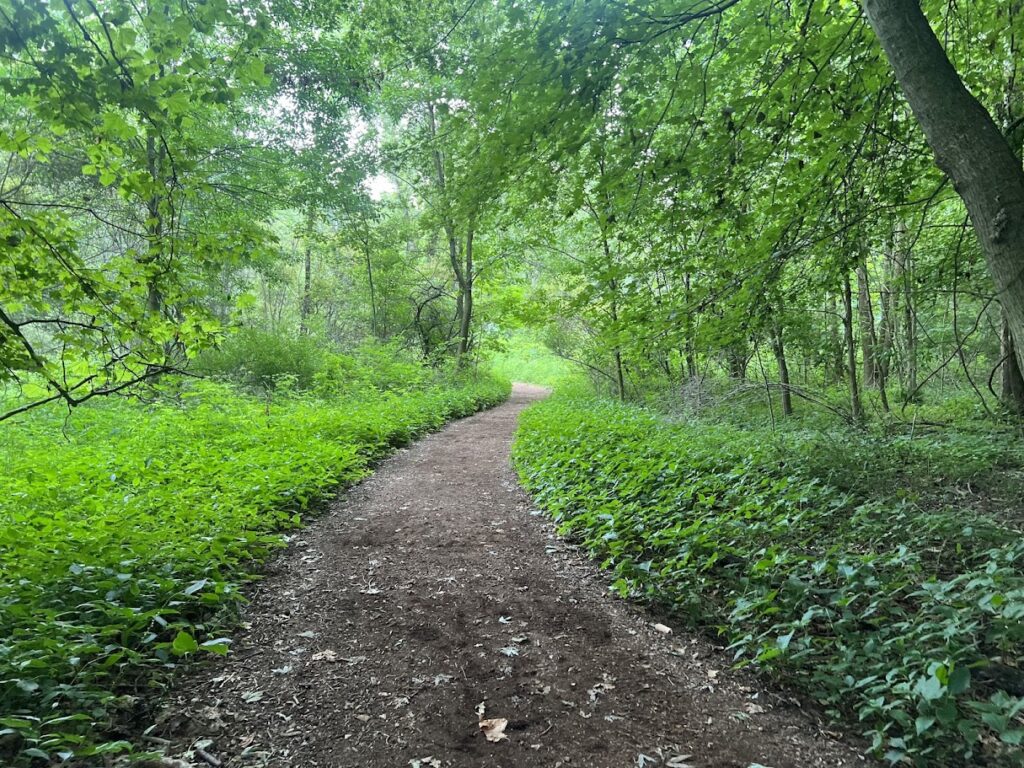
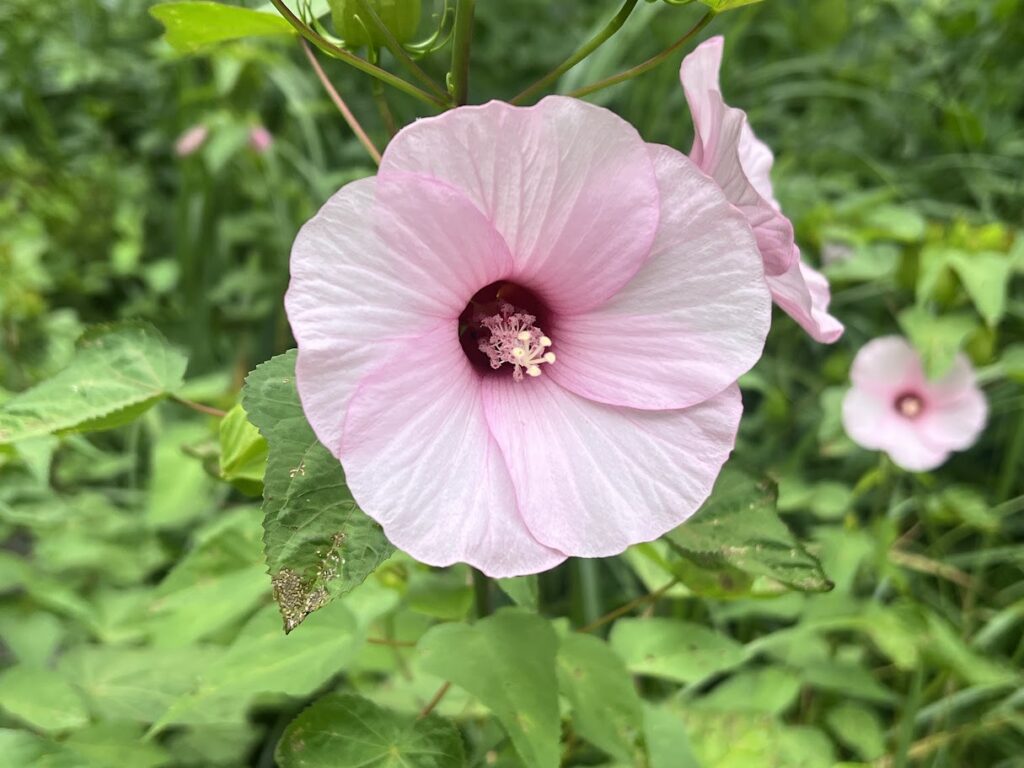
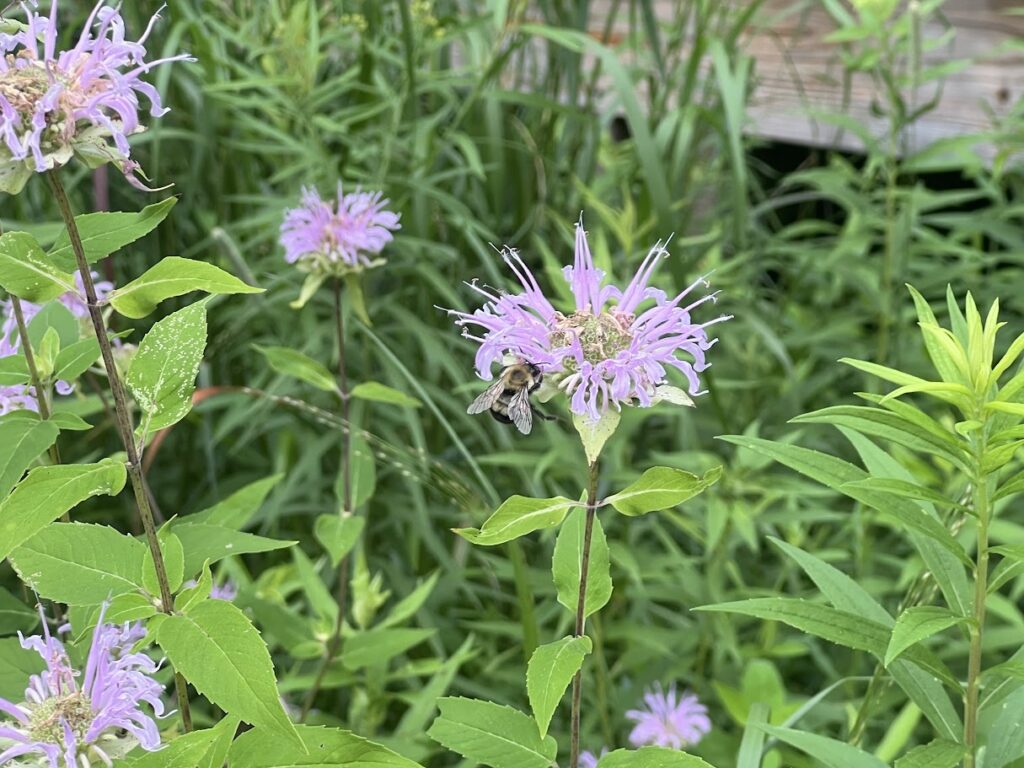
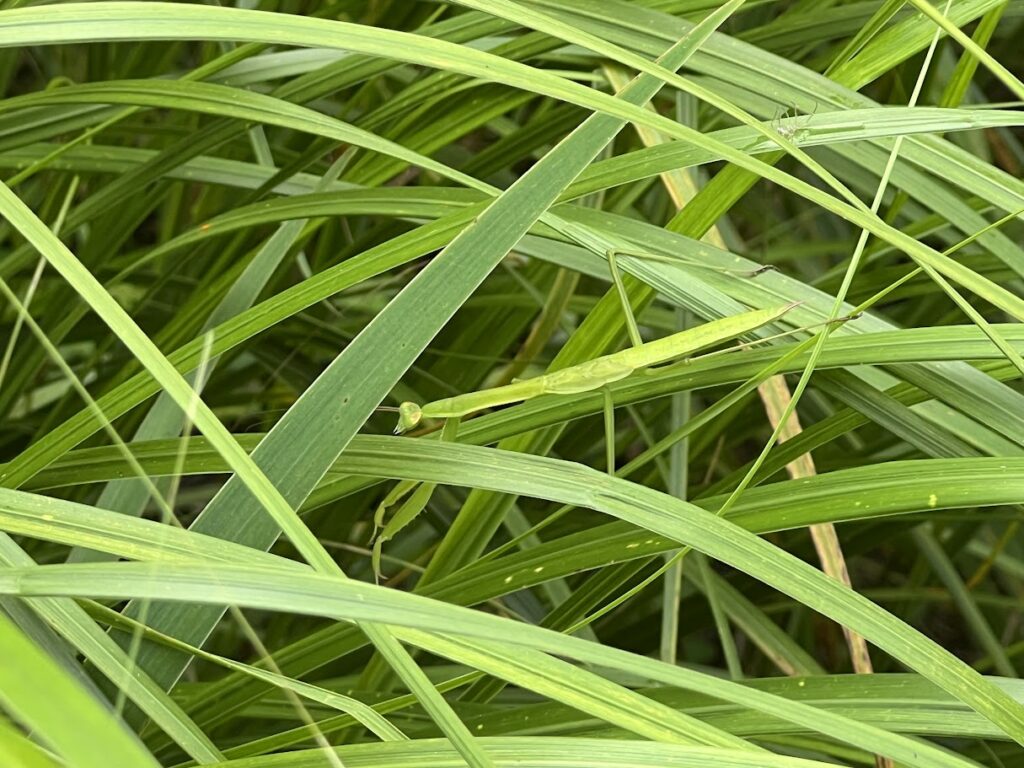
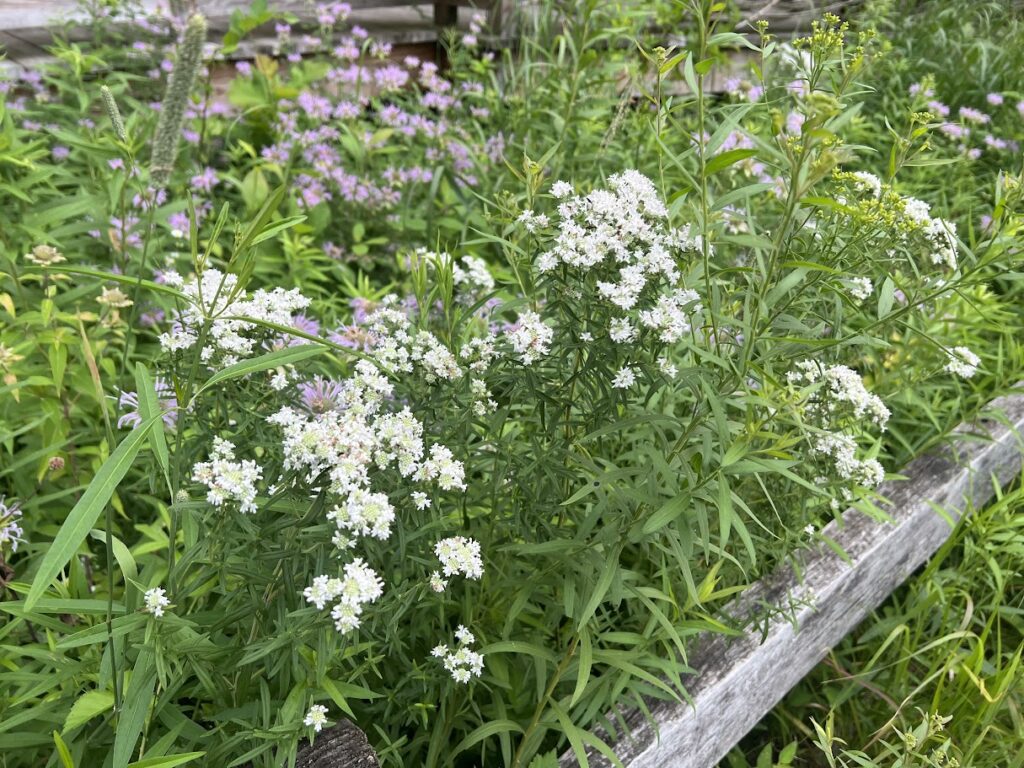
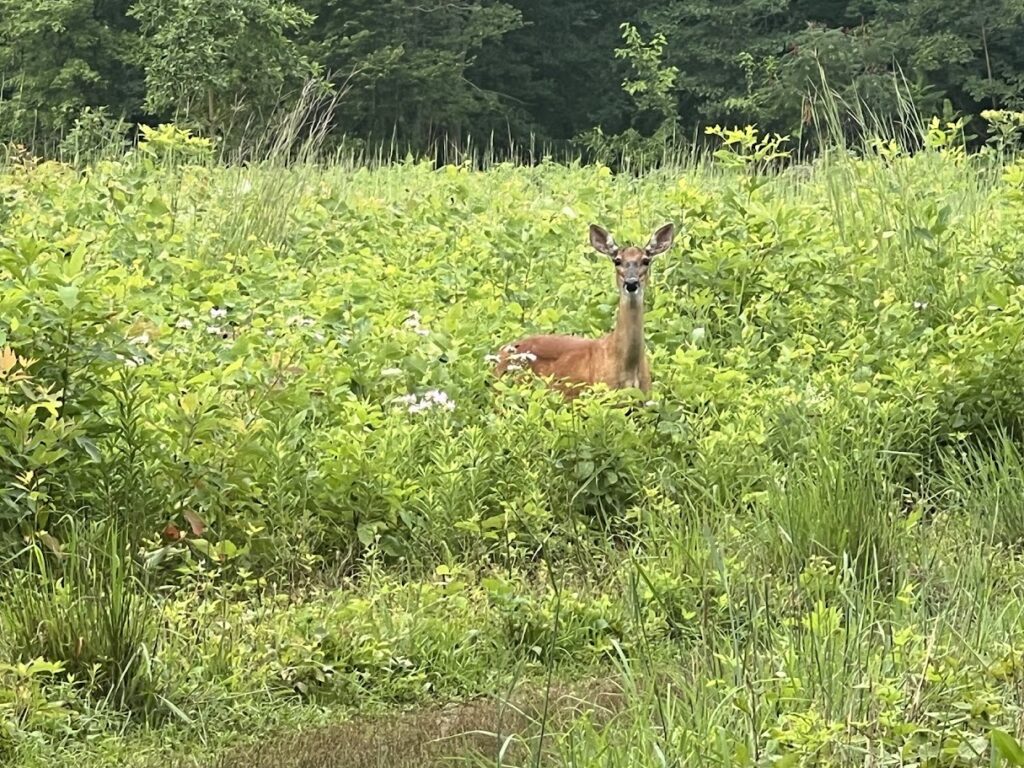
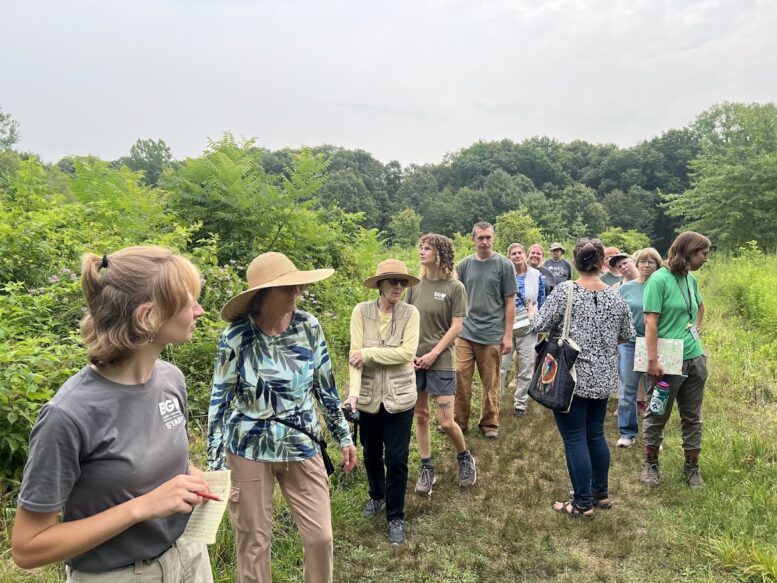
No matter where a person looks, there is something to notice at Wintergarden/St. John’s Nature Preserve. Kim High, a naturalist interpreter, showcased some of the seasonal changes that could be seen to a group of nature lovers on a mild day in July.
High asked that everyone share knowledge they may have, too, as she believes that nature education should be non-hierarchical. She also advised that everyone stay humble as nature is infinite.
Along the tour, High stated that, “one man’s toxin is another man’s medicine.” Whether something is toxic or medicinal depends on the strength of the concentration and its use-case. Using the terms “always” and “never” should also be avoided when referring to nature – in due time, the statement will be wrong.
To learn about some of the specific seasonal changes, continue reading below.
High will host another walk on Sept. 28 to showcase the autumnal changes to the park.