From WOOD COUNTY SHERIFF’S OFFICE
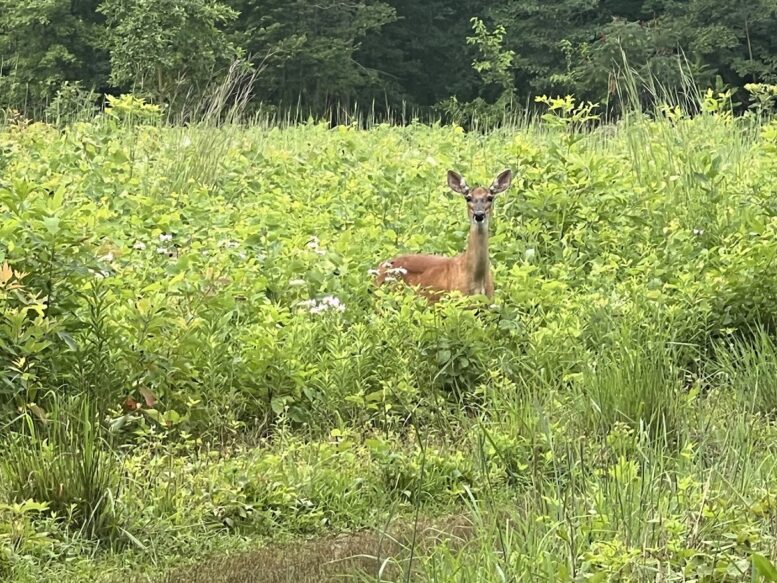
Sheriff Mark Wasylyshyn is reminding all drivers that November is the month with the highest number of vehicle-deer crashes in Wood County. October and December being the next two highest months.
- Wood County Sheriff’s Office handled a total of 255 vehicle/deer crashes in 2025.
- October of 2025 WCSO handled 36 vehicle-deer crashes.
- November of 2025, WCSO handled 44 vehicle-deer crashes.
- To date, WCSO has handled 150 vehicle-deer crashes in 2026.
The numbers above are only the crashes handled by the sheriff’s office and do not include crashes handled by other law enforcement agencies in the county.
According to the Ohio Department of Insurance, the average cost per insurance claim for car-deer collision damage is nearly $5,000, with costs varying depending on the type of vehicle and severity of damage. Claims involving injury can rise to $10,000 or more.
Defensive driving tips to help avoid hitting a deer:
- Be especially attentive from sunset to midnight and during the hours shortly before and after sunrise. These are the highest risk times for vehicle-deer collisions.
- Drive with caution when moving through deer-crossing zones, in areas known to have a large deer population, and in areas where roads divide agricultural fields from forestland. Deer seldom run alone. When a person sees one deer, other deer are likely to be nearby.
- When driving at night, use high beam headlights when there is no oncoming traffic. The high beams will better illuminate the eyes of deer on or near the roadway.
- A person should brake firmly when they notice a deer in or near their path, and stay in their lane. Many serious crashes occur when drivers swerve to avoid a deer and hit another vehicle or lose control of their vehicles and go into a ditch or hit poles or trees.
- Always wear safety belts. Many people injured in car-deer crashes were not wearing their seat belt.
- People should not rely on devices such as deer whistles, deer fences, or reflectors to deter deer. These devices have not been proven to reduce vehicle-deer collisions.
If someone’s vehicle strikes a deer, they should not touch the animal. A frightened and wounded deer can hurt people. The best procedure, if possible, is to get the vehicle off the road and call 9-1-1.
People should then contact their insurance agent or company representative to report any damage to the car. Collision with an animal is covered under the comprehensive portion of auto insurance policies and does not go against driving records.