From NORTHWESTERN WATER AND SEWER DISTRICT
The Northwestern Water and Sewer District recently awarded grant funding to Rossford Schools to support educational programs focused on water resources. The Water And Environment Teacher Education Resources (WATER) grants give back to local schools by providing direct financial support to teachers demonstrating a commitment to nurturing the next generation of environmental stewards.
In 2026, the District will provide $9,150 to five local school districts: Bowling Green Christian Academy, Eastwood, Elmwood, Otsego, and Rossford. The WATER grant program enables teachers to:
- Develop hands-on water quality research projects
- Purchase critical scientific equipment
- Create immersive learning experiences
- Encourage student engagement with water-related environmental sciences
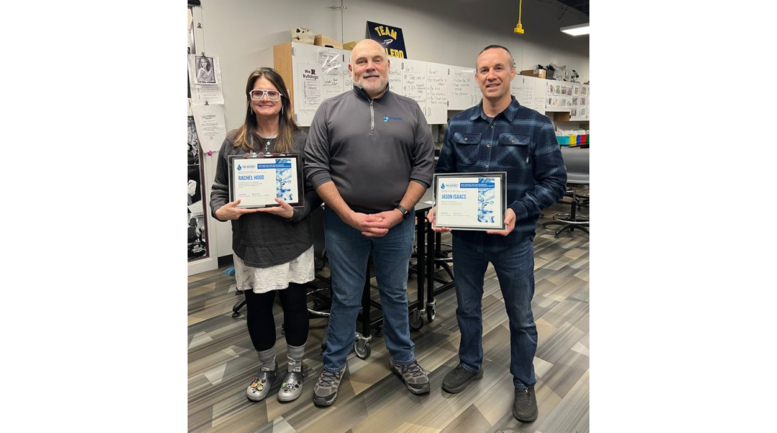
The District recently awarded two WATER grants totaling $600 to Rossford teachers. These grants aim to enhance water-focused educational initiatives and foster environmental stewardship among students.
The recipients and their projects are as follows:
Rossford Junior High School science teacher Rachel Hood will use $500 to support the “Hydroponics in the Classroom Project,” which teaches students to grow food using hydroponic systems. The funds will help purchase curriculum materials, seeds, and supplies. Additional support for the hydroponic system was provided through a grant from NorthStar BlueScope Steel.
Jason Isaacs, a science teacher at Rossford High School, will receive $100 to purchase materials for constructing simple wastewater filters, providing students with hands-on experience in water treatment processes.
Launched in 2014, the WATER grant program reflects the District’s mission of responsible environmental stewardship and responsive public service. By investing directly in classroom resources, the program aims to bridge scientific knowledge with environmental understanding.