By JULES SHINKLE
BG Independent News
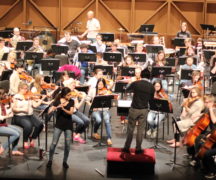
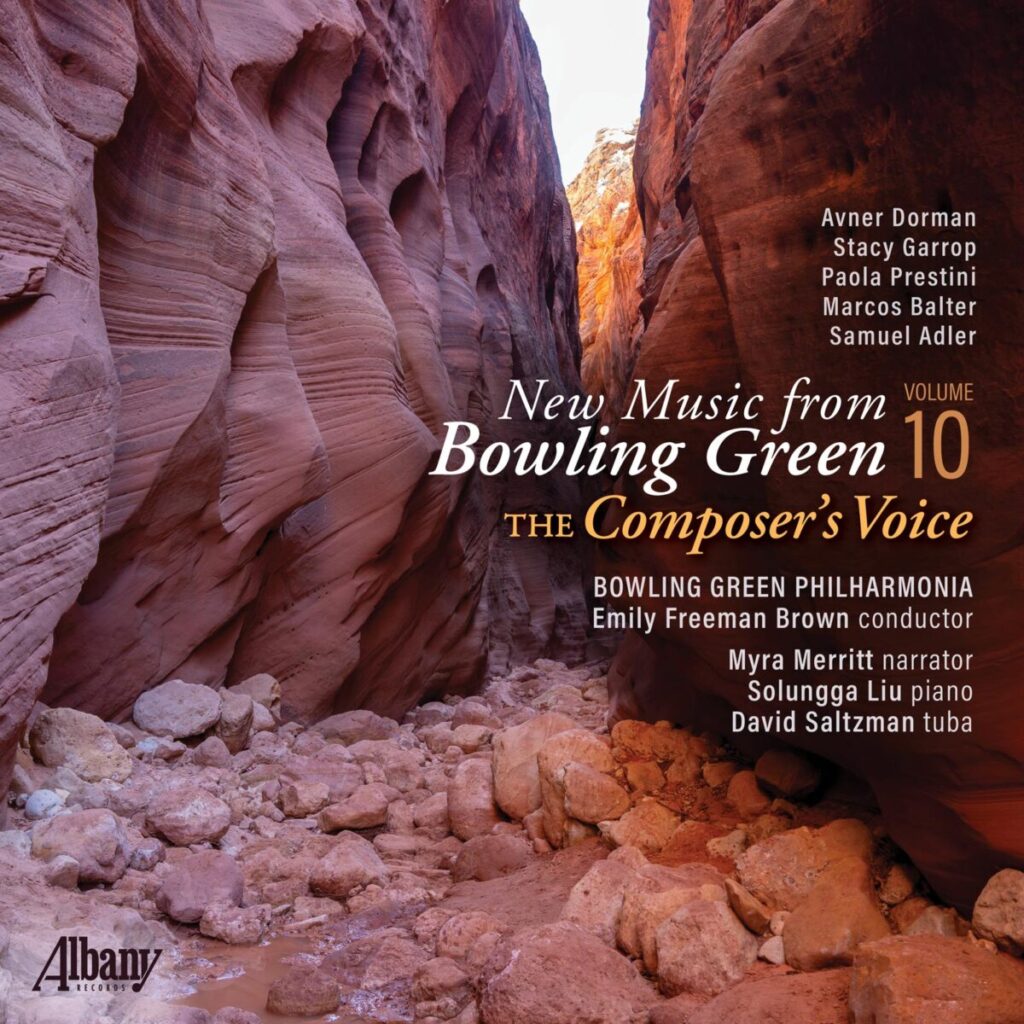
Come April 10, the Bowling Green Philharmonia will release its 10th installment of “The Composer’s Voice.” The album series features an array of contemporary music performed by BGSU’s student orchestra.
Following the yearly New Music Festival, the Philharmonia sets aside a block of time to record a piece performed during the concert cycle. “The Composer’s Voice: Volume 10” is a compilation of these sessions between the fall of 2022 and 2024. Its release coincides with the BGSU College of Musical Arts celebrating its 50th Anniversary this academic year.
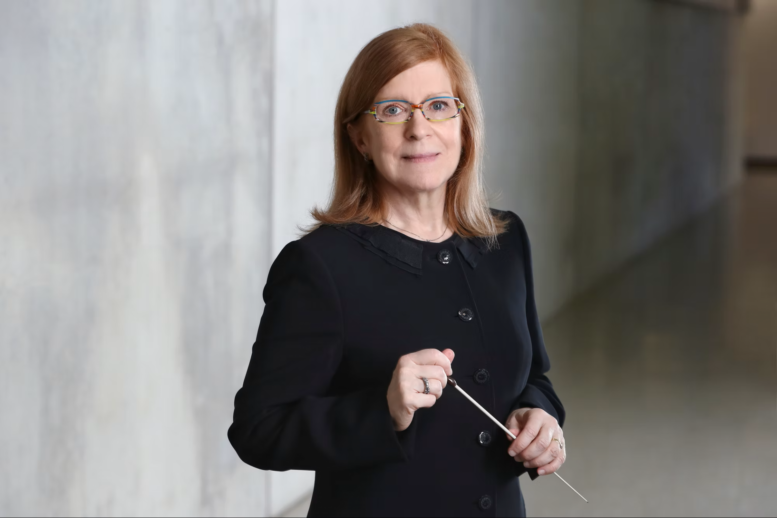
Emily Freeman Brown has conducted the Philharmonia through every record in the series. On March 30, Columbia University announced Brown as the 2026 recipient of its Alice M. Ditson Conductor’s Award.
The orchestra has released an album through Albany Records every few years since 1999.
“I’m pretty sure we’re the only university orchestra in the country that has done a project like this,” says Brown. The Philharmonia’s extensive discography featuring living composers sets it apart.
“The goal of the project has been to present, on professional recording labels, pieces that have not been recorded before.”
This is often done in close collaboration with the composers themselves, who are eager to offer guidance on bringing the score to fruition. For them, a professional recording is a boon for raising their profile and attracting interest in their works.
The project is also of practical benefit to the students, who gain experience working under the exacting standards called for in a recording session. The margin for error is slim – discipline is key.
Another compounding factor is the fact that contemporary orchestral works are frequently demanding on a technical level. When a recording comes out well, it’s all the more rewarding.
“It’s been really wonderful,” says Brown, “We’ve had experiences where a composer has told us that the [Philharmonia] did better than the professional orchestra that premiered the piece.”
Another important role the process fulfills, according to Brown, is that the orchestra “gets this really in-depth experience working with a living composer to bring their piece to life.”
“The way I look at it is, when a composer writes a piece, they’re creating a musical world that’s unique. It’s our job as performers, from the first rehearsal, to dig deep into the piece and what it’s about. Whether we put words to it or not, doesn’t matter.”
“Having the composer come to rehearsal and talk to the orchestra about character, spirit, all kinds of poetic things – not just louder here, faster there – it allows younger musicians to understand and think about what composers do.”
In this process, Brown hopes to explore the profundity of creating music: “The goal of the composer, one after another, is to create an experience that lifts the musicians and audience out of the day-to-day.”
“The Composer’s Voice” is a testament to the College of Musical Arts’ ongoing dedication to contemporary music. Each volume is a highlight reel of the Philharmonia’s capabilities, taking on challenging new works year after year.