
By JULIE CARLE
BG Independent News
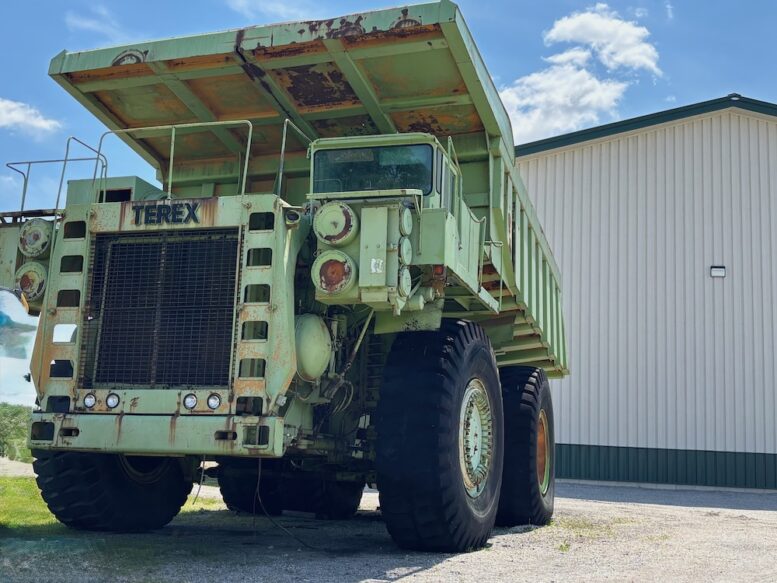
Tucked away on 80 acres just outside Bowling Green, the Historical Construction Equipment Association is preserving a piece of American history many people don’t even realize exists — the machines that built the nation.
Founded in April 1986 by a group of enthusiasts who saw historic equipment rapidly disappearing into scrapyards, the nonprofit has grown into a nationally recognized hub for construction history. Today, the organization boasts thousands of members, an expansive archive, and a newly completed museum that showcases the evolution of heavy machinery.
On the heels of the association’s inaugural Spring Show, May 23-24, HCEA board member Kenny Walker— a mechanic by trade and active leader within the organization —offered a detailed look at both the past and future of the HCEA.
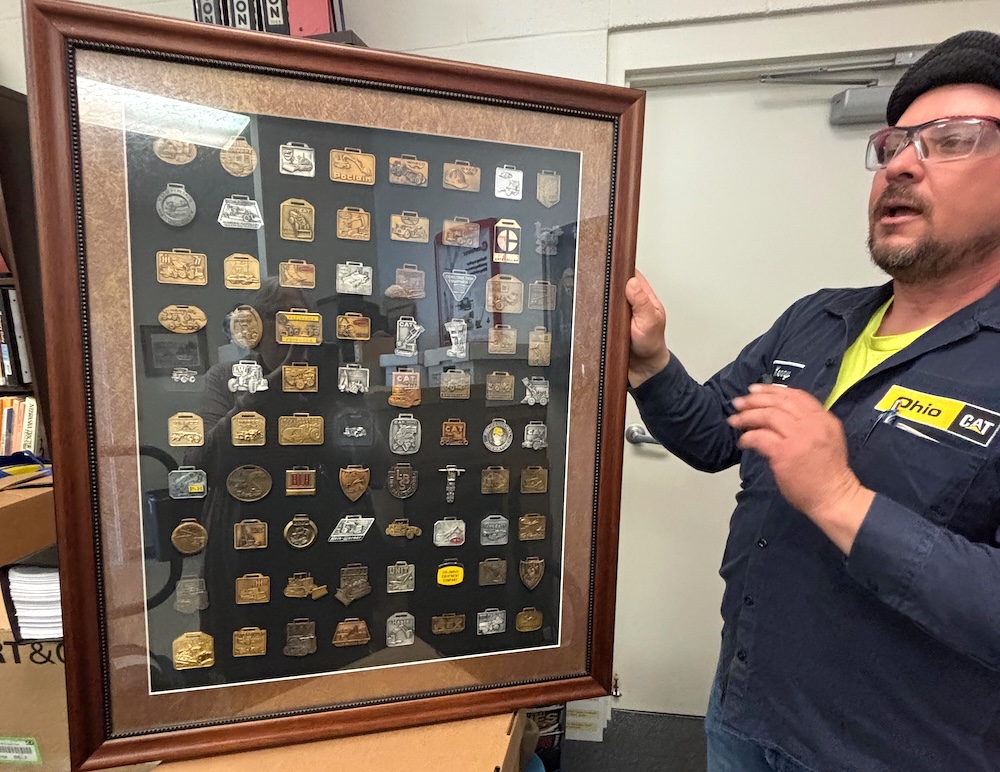
The International Watch Fob Association, collectors of watch fobs that often featured heavy construction and agricultural equipment, was the group that wanted to preserve the equipment that was being replaced by more modern equipment.
“It’s really good that they had the foresight to do what they did at the time,” Walker said, referring to the founders’ early efforts to save aging equipment. “A lot of this would’ve been gone otherwise.”
A living, working museum
The HCEA prides itself on being interactive. Its collection isn’t just for display — it runs.
“It’s a working show. We’re not a park and shine. Everything here operates,” Walker explained.
That philosophy comes alive during the organization’s shows, where visitors can see — and sometimes even operate — vintage construction equipment. From earthmovers to rock crushers, machines are put to work in live demonstrations that highlight their original purpose.
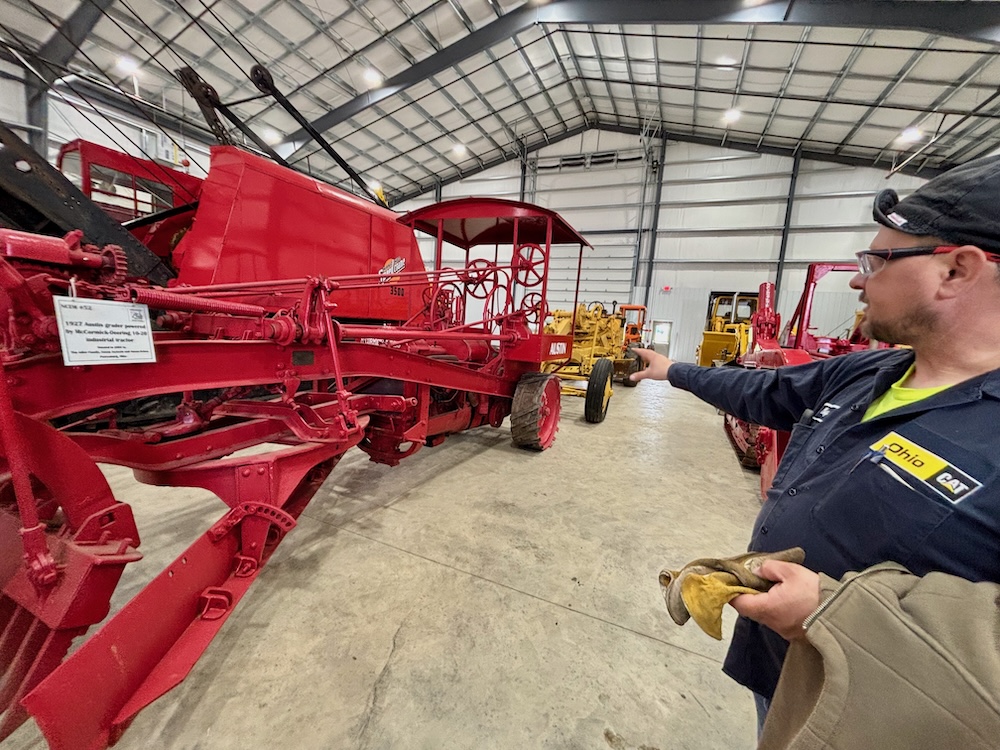
“That’s what sets us apart,” he said. “We have all the eye candy to look at, but we also have a working side that says, ‘Come out and play.’”
National recognition and massive archives
Beyond the machines, the HCEA is also home to one of the most extensive archives of construction-related materials in the country. The collection includes documents, photos, and records that chronicle decades of industry development.
“We are nationally recognized as the historical database for construction equipment,” Walker said. “Even federal archives refer people to us.”
This archival work is increasingly moving into the digital space, as the organization works to modernize and make its resources more accessible to researchers and the public.
Powered by people
Despite its growth, the HCEA remains deeply rooted in volunteerism. From restoring equipment to organizing events, volunteers are the backbone of the operation.
“Without all of these guys helping, we would never get any of this done,” Walker said. “This is the heart and soul of the operation.”
Funding also relies heavily on memberships, donations, and corporate sponsorships, with companies like Ohio CAT playing a key role in supporting recent projects — including the construction of the new museum building.
The organization reports membership of nearly 3,500 individuals, organizations and corporations, who believe in the value of the work being done at the Bowling Green headquarters.
Looking ahead
The HCEA isn’t slowing down. Plans are already in motion for a new learning center aimed at bringing in students and expanding educational programming. The organization is also exploring a partnership with Bowling Green State University to create internship opportunities in archives, marketing, and more.
The goal is to connect younger generations with an often-overlooked part of history.
“It all started from nothing,” he said. “And we’re just fortunate to have people who want to see positive change and preservation.”
A hidden gem
Despite its national reach, the HCEA remains relatively unknown locally — something its members hope will change.
“We are the best-kept secret in our own area,” he said. “So many people in Wood County don’t even know we’re here.”
With its new museum, expanding programs, and hands-on spring show, the organization hopes to change that — inviting the public not just to observe history, but to experience it in motion. The shows hosted at the site are part of that outreach to educate the local community about the historical significance of the equipment and the mission of the association to preserve that history.
About the Spring Show
The Historical Construction Equipment Association’s first Spring Show runs from 8 a.m. to 6 p.m. on Saturday and Sunday, May 23-24, at the association’s headquarters, 16623 Liberty Hi Road, Bowling Green.
Admission is $10 per day or $15 for a two-day pass per person, with kids 12 and under admitted free.
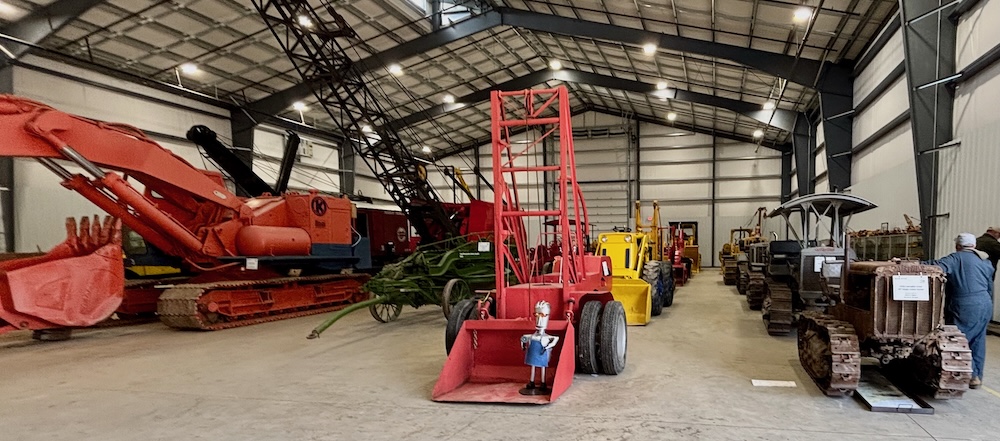
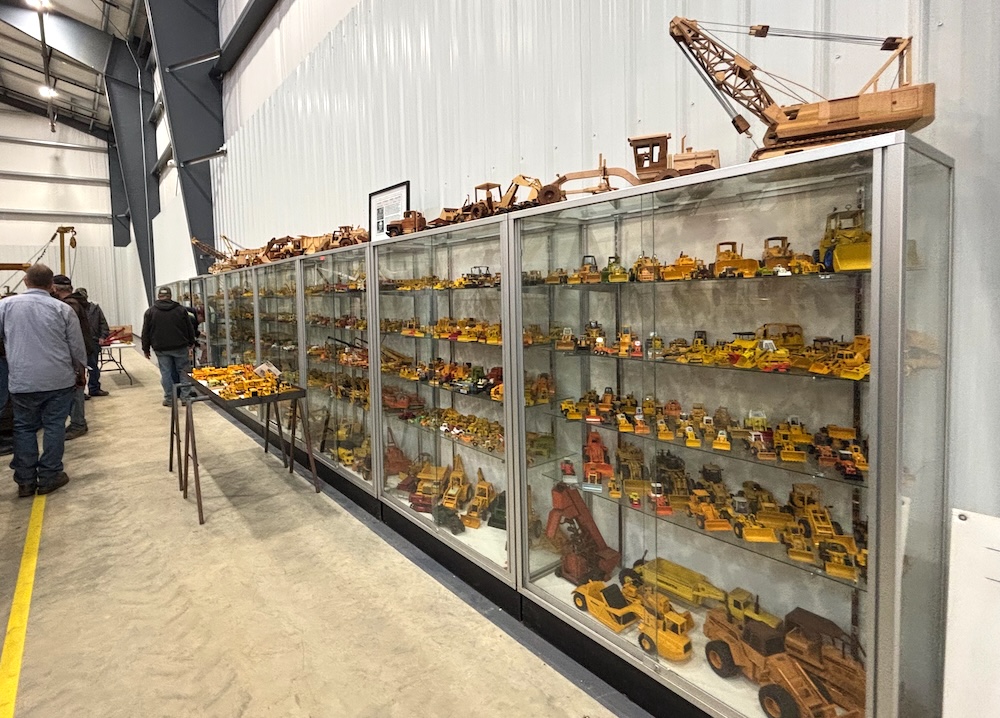
The show features the grand opening of the 20,000 square feet National Construction Equipment Museum. Inside the museum are displays of various types of construction equipment, including shovels, cranes, and excavators; concrete, aggregate, and paving equipment; trenchers and underground equipment; and graders, crawler and wheel tractors, and loaders. The displays show the progression of each type of equipment from the earliest to the more current. There will also be a silent auction within the museum, featuring items such as scale models, toy collections, and construction memorabilia.
Outside, on some of the sites’ 80 acres, will be active demonstrations of antique construction equipment, a vintage belt-driven rock crusher and an operating dirt pit. For the young and young at heart, there will be a gigantic sandbox with toys. Kids can participate in an equipment scavenger hunt, bounce house, obstacle course and pedal tractor pull.
The HCEA event also celebrates “Big Bertha’s” 100th birthday. The Link Belt K-2 “Big Bertha” is a historic 1926 lattice-boom crawler crane that was widely used for heavy material handling. It was commonly equipped with a clamshell bucket to dredge, move aggregates and feed antique rock crushers at job sites. It is now famous for being the oldest known existing crane manufactured by the Link-Belt Company and is historically significant as the first antique machine fully restored by the association.
For more information about the association and the spring show, visit the HCEA website or the HCEA Facebook page.
