
From WOOD COUNTY HEALTH DEPARTMENT
The Wood County Health Department continues to monitor an increase in cases of cyclosporiasis, an intestinal illness caused by the parasite Cyclospora cayetanensis. As of Friday, July 10, there have been 101 lab-confirmed cases identified among Wood County residents.
While the regional investigation remains ongoing, WCHD continues to work closely with the Ohio Department of Health and other local health departments from northwest Ohio and southeast Michigan to interview cases and gather detailed food histories.
At this time, no specific food item or source has been confirmed. Because Cyclospora is most commonly associated with fresh produce, the health department continues to encourage residents to practice safe food handling at home.
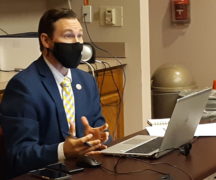
“General rules to reduce risk of infection are to cook when you can and thoroughly rinse all fresh produce under running water, even if you plan to peel it,” said Rachel Aeschliman, interim health commissioner for WCHD. “Simple food safety practices are the best ways to reduce the risk of many foodborne illnesses.”
WCHD recommends the following food safety practices:
- Thoroughly rinse fresh fruits and vegetables under running water before eating, cutting, or cooking them.
- Wash hands with soap and water before preparing food and before eating.
- Clean cutting boards, knives, countertops, and other food preparation surfaces before and after use.
- Keep ready-to-eat foods separate from raw meat, poultry, seafood, and eggs to prevent cross-contamination.
- Cooking food to 158 degrees Fahrenheit or higher kills Cyclospora.
- Refrigerate perishable foods promptly.
Cyclosporiasis is not typically spread from person to person. Symptoms of cyclosporiasis typically develop within 2 – 14 days after exposure and may include:
- Watery diarrhea – the most common symptom
- Loss of appetite
- Weight loss
- Abdominal cramps and/or bloating
- Nausea
- Prolonged fatigue
- Low-grade fever
Anyone experiencing symptoms should contact their healthcare provider. If left untreated, symptoms could last a few days to a month or longer, with symptoms returning after initial improvement.
As part of the investigation, the WCHD’s Epidemiology Team may contact individuals diagnosed with cyclosporiasis to ask about recent foods eaten and other possible exposures. This information helps identify potential sources of illness and prevent additional cases.