By JAN McLAUGHLIN
BG Independent News
As federal and state officials chip away at Medicaid, the Wood County Community Health Center will continue to provide care to the uninsured.
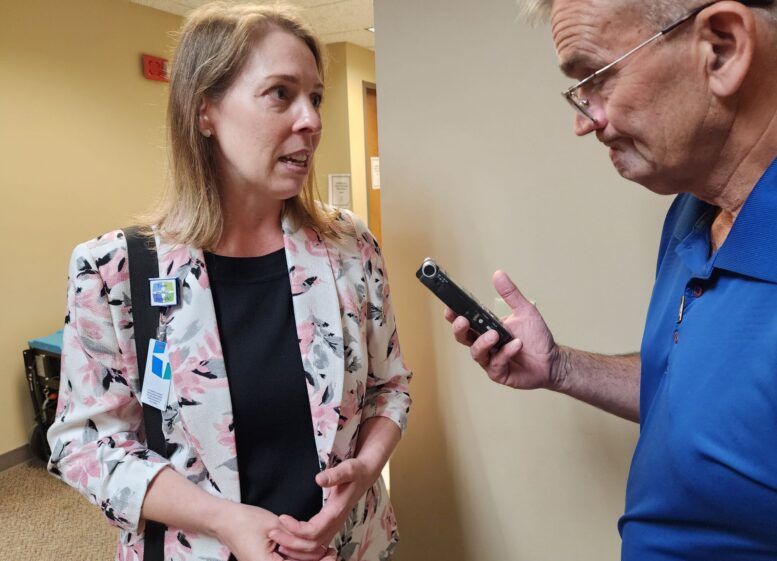
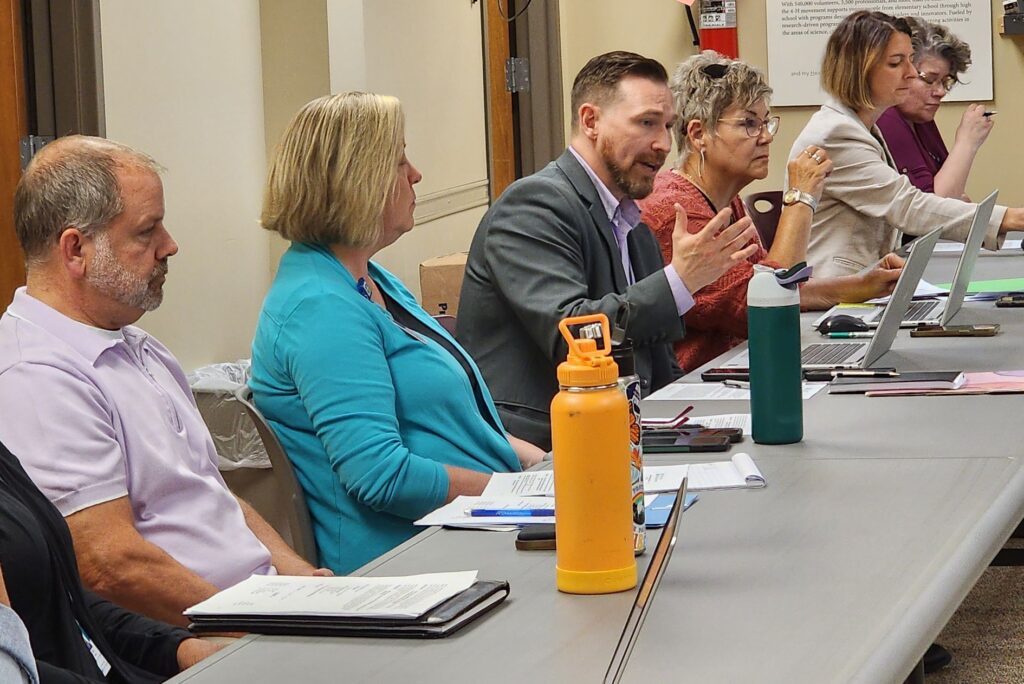
“Medicaid is really a lifeline for our patients,” Lindsey Ruivivar, CEO of the Community Health Center at Wood County Health Department, said Thursday after a board of health meeting.
Patients who lose their Medicaid due to not correctly filing repetitive paperwork multiple times a year, or not meeting the new work requirements, will be moved to a sliding fee scale for services, Ruivivar said.
“We will continue to serve our patients,” she said.
Board of health member Bob Midden inquired during the meeting if the health center will have to pick up the costs for these patients bumped off Medicaid.
“That’s absolutely a concern,” Ruivivar said, especially with federal health center funding remaining flat despite increasing costs.
Approximately half of the more than 2,700 patients seen annually currently have Medicaid coverage.
Patients at the health center also have access to discounted pharmaceuticals, Ruivivar said. Last year alone, patients saw approximately $500,000 in out-of-pocket savings for medications from the health center pharmacy, she said.
The facility tends to serve sicker patients, who have put off seeking care. Ruivivar worries about the fragile partnership between the federal government, which pays 90% of the enhanced Medicaid program, and Ohio’s state government which picks up the other 10%. Any weakening of the federal portion could trigger an end to the state portion.
That would be very shortsighted, she said earlier this year.
“We are a very good use of federal funding,” said Ruivivar, who considers Medicaid to be a vital part of economic and workforce development.
The Wood County Community Health Center has 32 staff and provides medical, dental, behavioral health and pharmacy services. Patients can access primary care such as annual exams for all ages, vaccines, mental health screenings, referrals to specialists, and dental services such as cleanings, fillings and extractions.
“There’s a lot of demand for dental services right now,” especially since the health center is the only local provider to accept Medicaid coverage, Ruivivar said.
“We’re part of a national effort to get access to health care,” regardless of insurance or ability to pay, she said.
In Wood County, a total of 16,918 people are covered by Medicaid, which helps with medical expenses. Meanwhile, 7,357 people, including 2,987 children, receive SNAP benefits that help them purchase nutritional food.
For most recipients, these programs are a matter of survival, according to Wood County Job and Family Services Director Dave Wigent, who spoke about the projected cuts last month. The average family getting SNAP in Wood County receives $315 a month in grocery vouchers.
To qualify for public assistance, there are already strict standards to be met, Wigent said. Families have to prove their income, citizenship, household occupancy and other expenses.
The fraud in Medicaid and SNAP programs locally is low, Wigent said. And when it is identified in Wood County, those suspected of committing fraud are pursued and prosecuted, he said.
Wigent cited studies putting client fraud at 3% to 4%.
“There isn’t anybody getting rich on these programs,” he said. “That just isn’t accurate.”
To politicians who say the system is rife with fraud and recipients need to work for their benefits, Wigent said SNAP recipients who are able-bodied adults already have to participate in Wood County’s work activities programs.
Well over 60% of local SNAP recipients are employed, with some having multiple jobs as they try to escape the cycle.
“The lower wage jobs keep them in the program,” Wigent said.
Based on early projections, an estimated 3,600 people could be kicked off Medicaid in Wood County.
“Those folks don’t dissolve into the mist,” he said, questioning what legislators think will happen to those dropped from the system.
The changes proposed at the federal level are “fairly harsh,” and are being pushed by people who don’t really understand the impact to honest people who honestly need help, Wigent said last month.
“They will make changes because it seems like a simple fix to a problem,” Wigent said. “But you have to get to the county level to really see the effects.”
People kicked out Medicaid will still have health problems, and will have fewer options for care. In all likelihood, they will put off care until it’s a crisis, and then seek help at places like hospital emergency departments.
“Those folks have a challenge coming. They’re going to have a hard time getting health care,” Wigent said.
Despite the rhetoric, the vast majority of Americans on Medicaid are deserving, he added.
As for cuts to SNAP, as the price of groceries spike, local residents are already supplementing their food benefits by getting items at food pantries. Non-profit food banks are already seeing their stock being stretched and in some cases, shelves being emptied.
“Hunger … we’re headed into that,” Wigent predicted.
Also at Thursday’s board of health meeting, Wood County Health Commissioner Ben Robison shared that funding for lead abatement programs is at risk of being nearly eliminated. Such programs are still needed, he said.
Public health officials are trying to make people aware of the value of such programs, Robison said.