From CITY OF BOWLING GREEN
The Bowling Green Tree Canopy Program application will reopen on Friday, May 1. The application portal will remain open until 30 applications for tree maintenance/removal and 20 applications for tree planting have been accepted.
If people have previously received maintenance and/or removal work from this grant, they will be contacted soon to discuss tree plantings and replacements. The city’s urban forester will be in contact with all current applicants over the next three weeks.
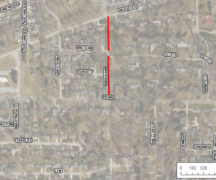
For more details, including a map of a project area and online application for property owners, visit https://www.bgohio.org/686/Bowling-Green-Tree-Canopy-Project .
The Bowling Green Community Canopy Grant funding is to be used over a four-year timeframe, ending in 2028. To maintain feasible working capacity, applications will be accepted periodically through the summer of 2027.
The Bowling Green Canopy Tree Project is a multifaceted initiative designed to preserve and extend the city’s old-growth urban forest. The project encompasses several key components:
- Canopy tree maintenance and pruning
- A significant portion of the grant will be allocated to the maintenance and pruning of canopy trees. This essential care ensures the longevity and vitality of the existing tree population, contributing to a healthier and safer urban environment.
- Risk mitigation and invasive species removal
- The project will also address safety concerns by identifying and removing trees that pose potential hazards. Additionally, efforts will be made to eradicate invasive tree species that threaten the health of the urban forest.
- Public education and outreach
- The Bowling Green community is integral to the success of the Canopy Tree Project. A portion of the grant funds will be dedicated to public education and outreach initiatives. These efforts aim to raise awareness of the importance of canopy trees and encourage their preservation within the city.
- Applicable project areas within the city for this funding have documented air quality disparities in comparison with local and national rates. These areas are defined by census tracts confirmed by the EPA to have reduced air quality and high rates of citizens with asthma.