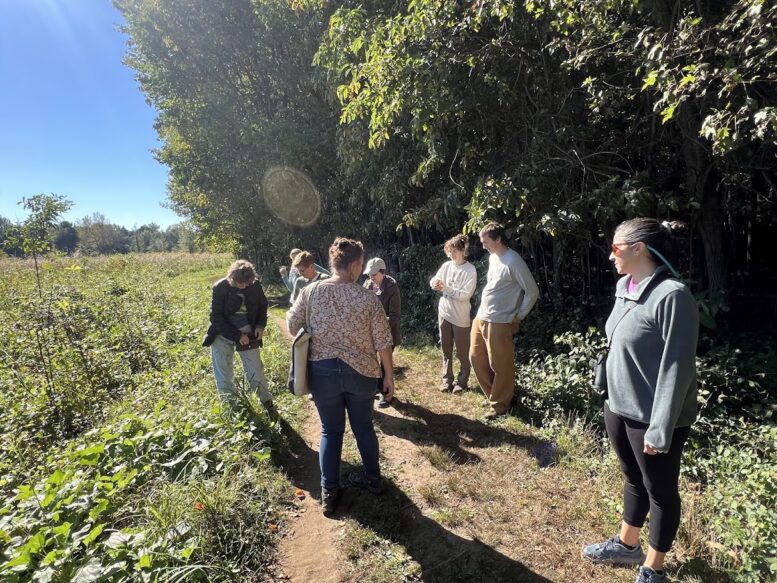
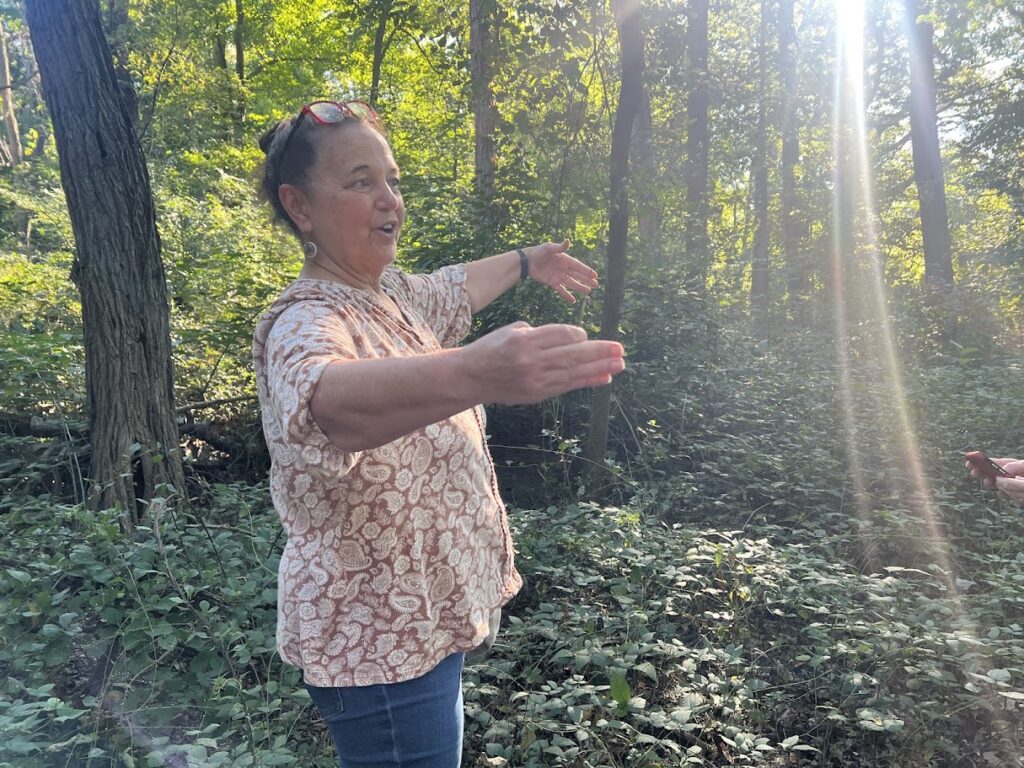
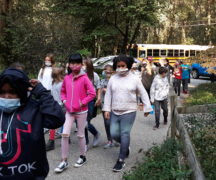
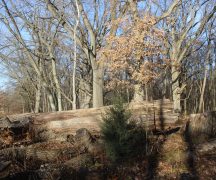
“Every plant has a story and a strategy,” said naturalist Kim High during a walk she led through Wintergarden. The walk showcased some of the natural features of fall, such as berries hanging off stems and insects chirping, buzzing, and trilling.
“Insects sing in fall the way birds sing in spring,” High noted. She also explained that a cricket’s chirps are largely based on the outside temperature. In fact, a snowy tree cricket’s chirps can be used to calculate the current temperature in Fahrenheit. To do so, count how many chirps are heard within a 13-second period then add 40.
“There’s lots of synchronicity [in nature],” High observed.
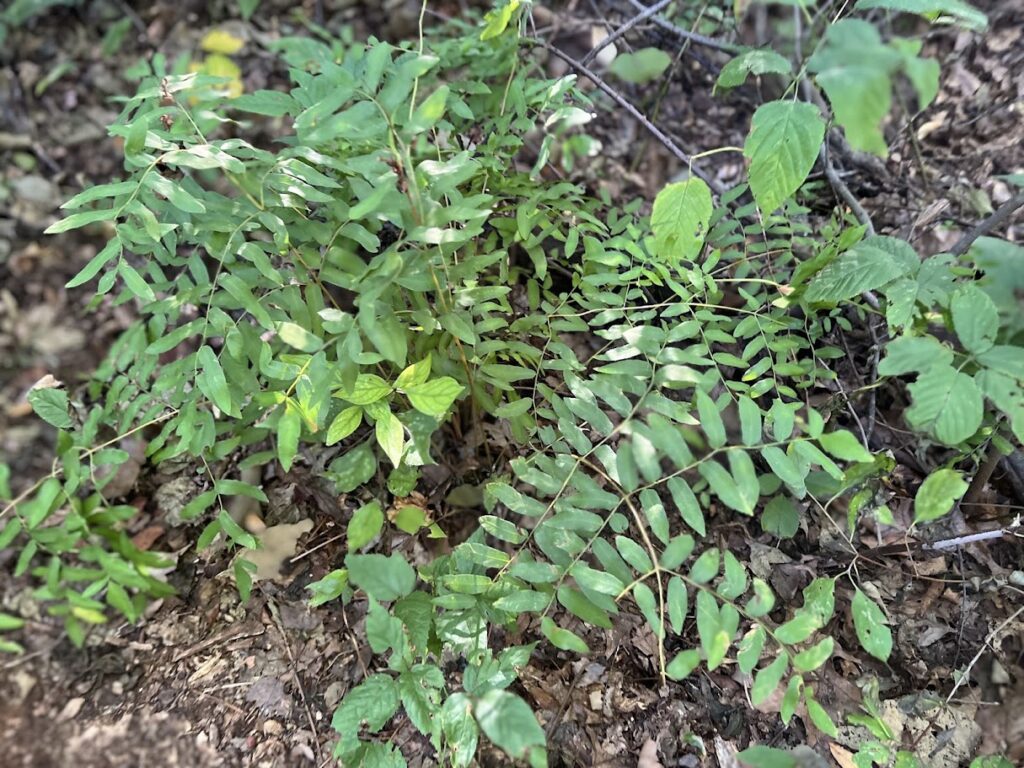
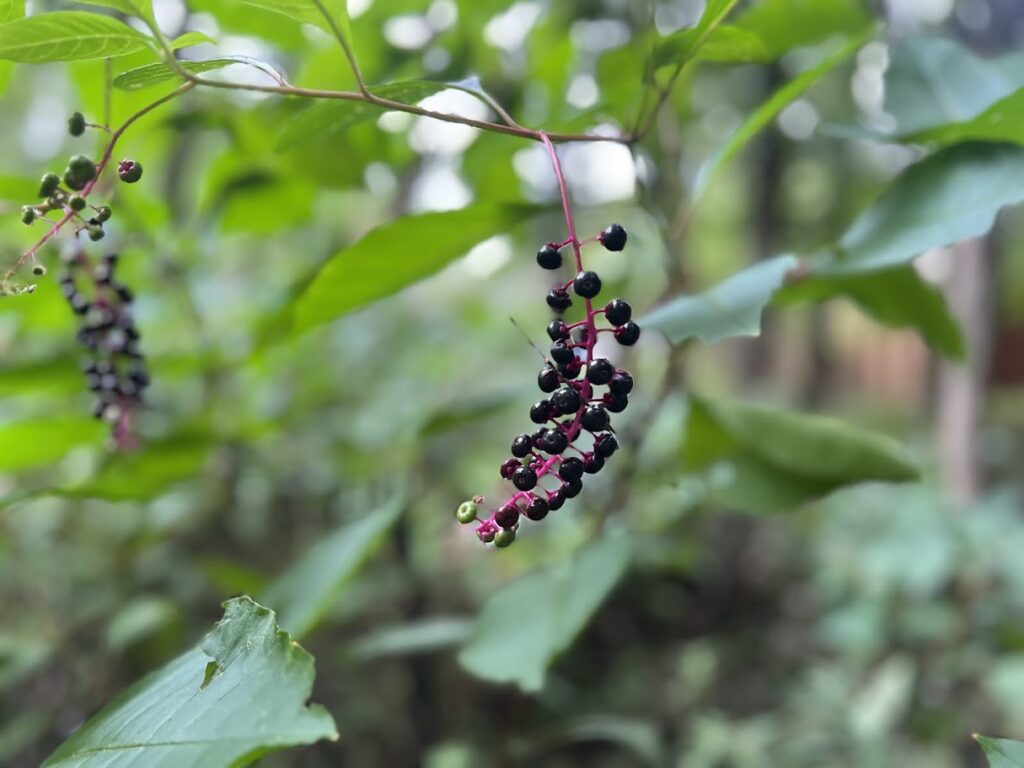
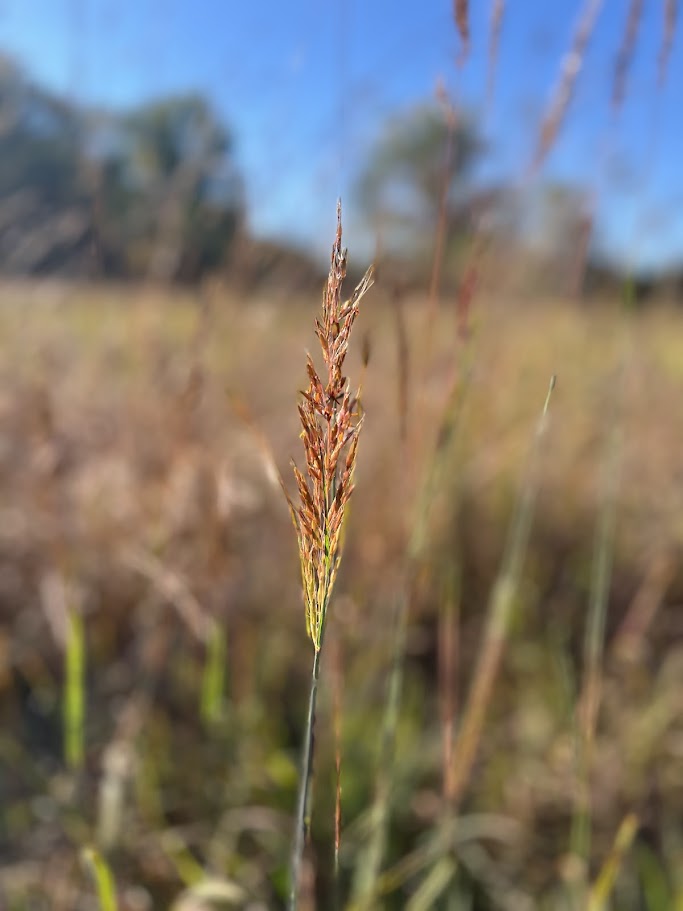
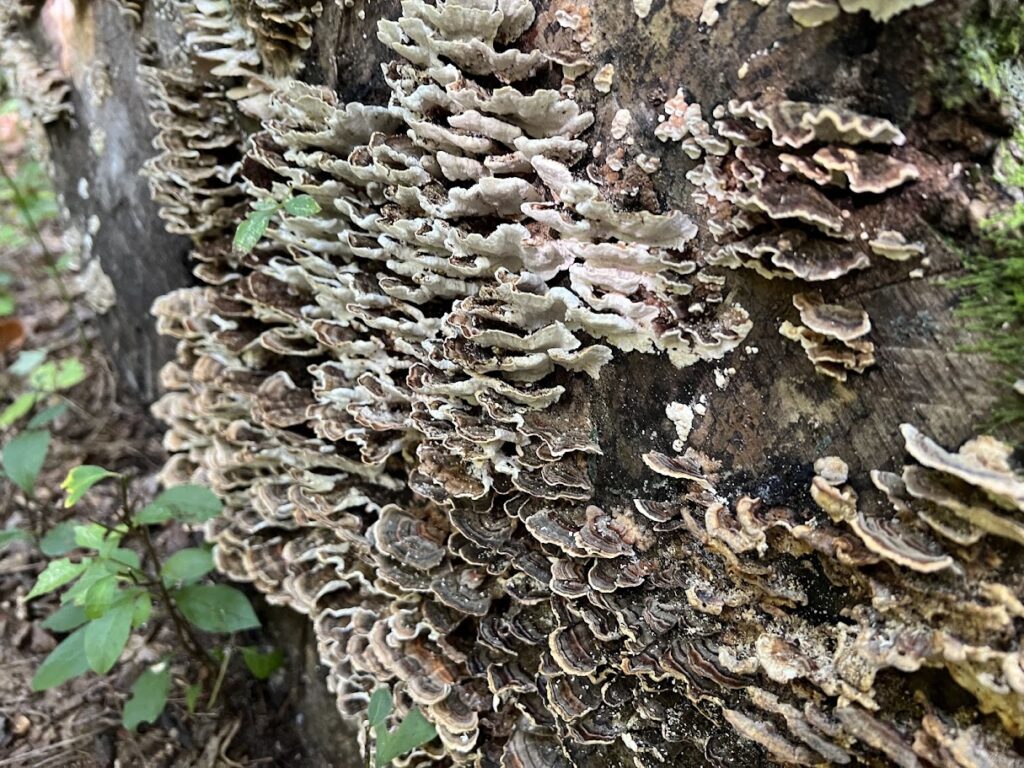
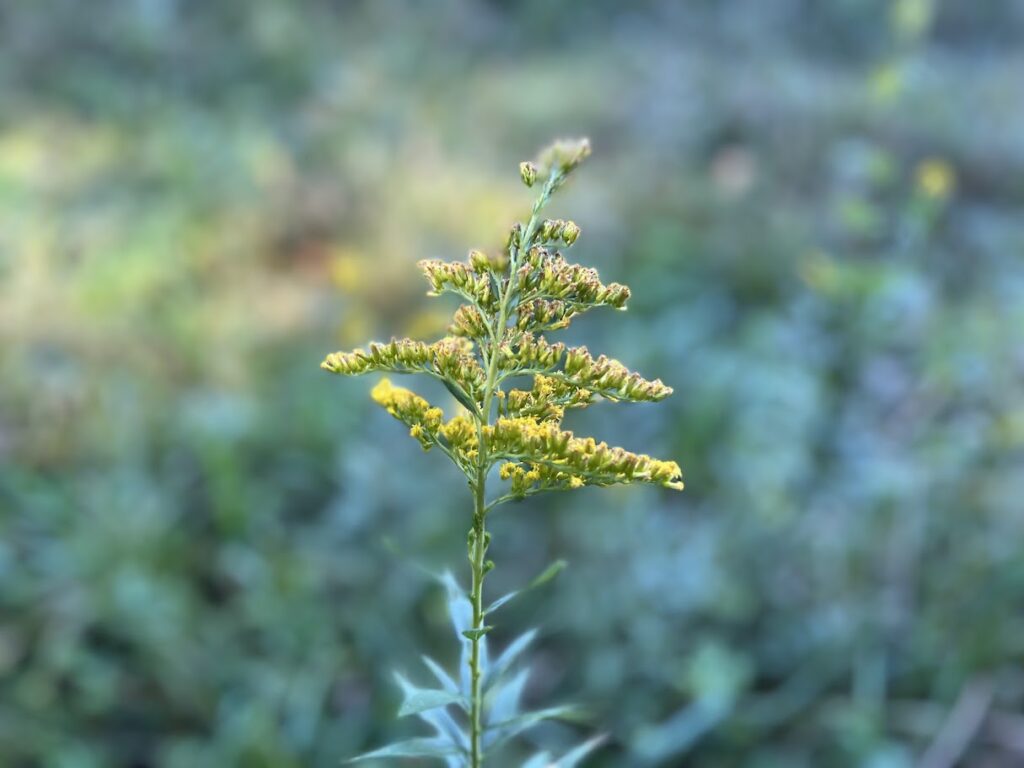
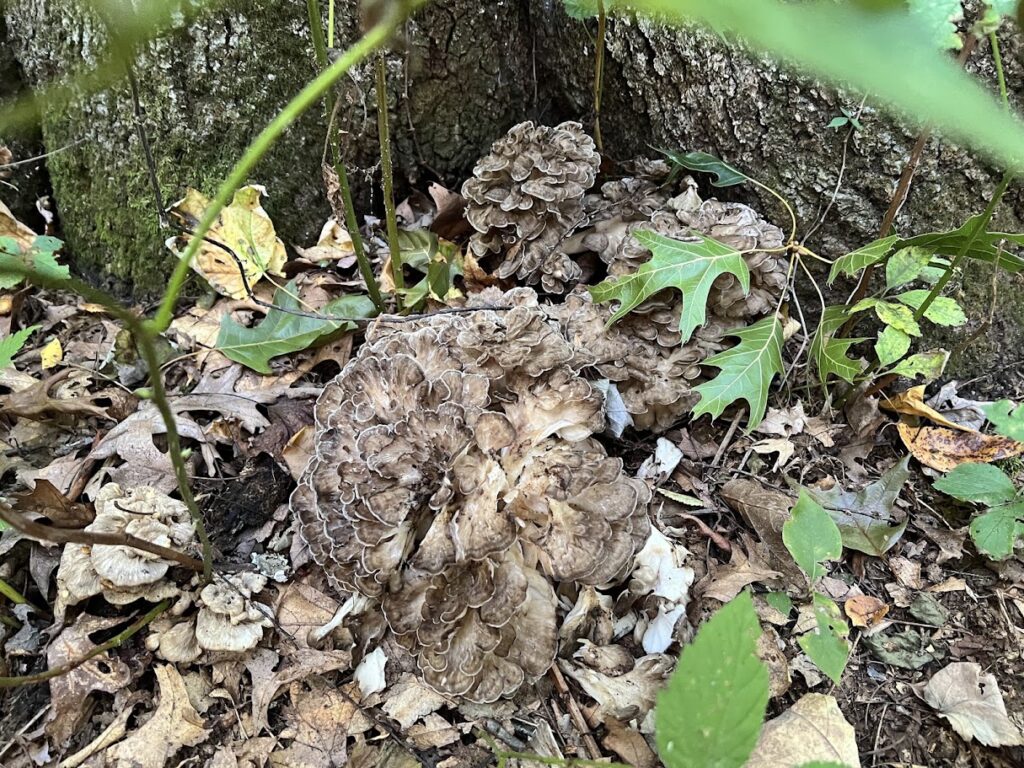
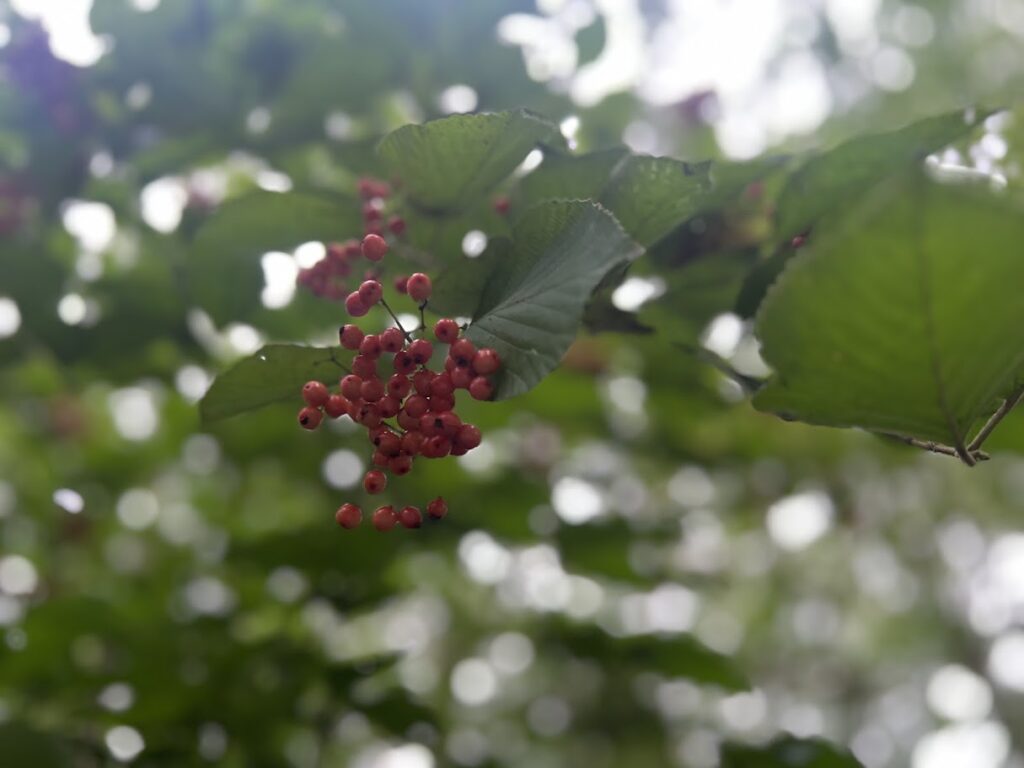
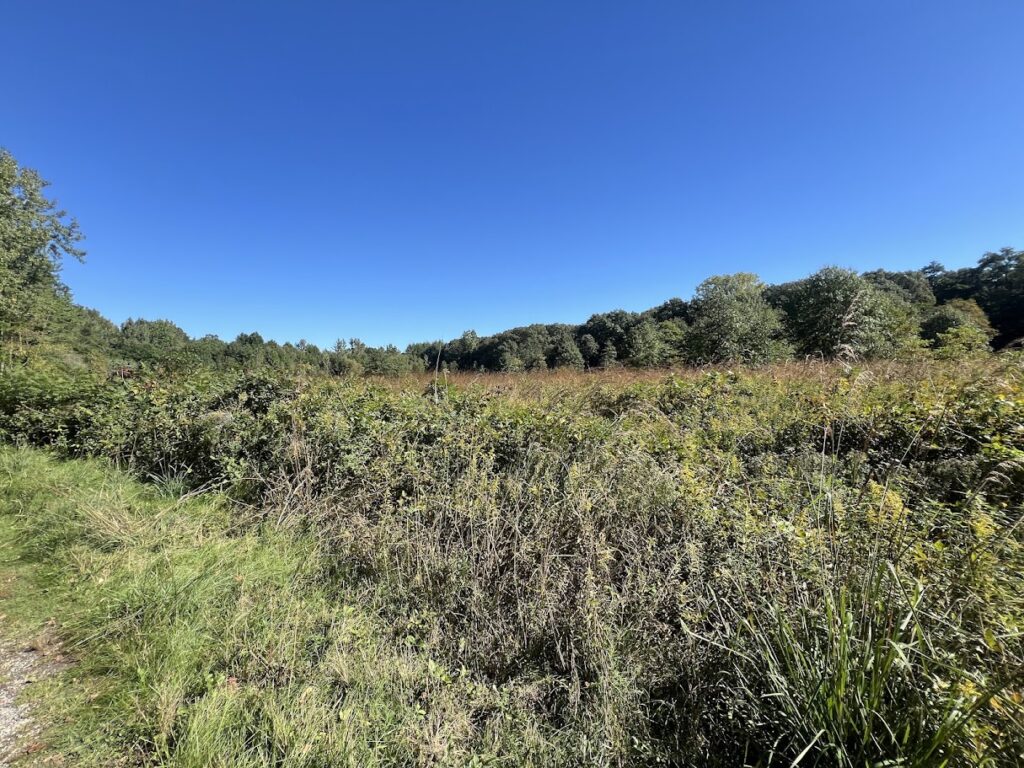
The walk began with Kim High identifying this royal fern.The color of poke weed berries attracts birds to eat them. However, because these berries are high in sugar, they act as more of an emergency food source for migratory birds. These berries are also widely considered toxic to humans.Kim High discusses the Virginia knot weed, whose seeds “jump” to spread when bumped. She said that some seeds “jump,” some seeds “fly,” and some seeds hook to animals to reproduce. Whichever method a plant uses is the result of many years of evolution.Indiangrass, a native prairie grass, was in bloom during the guided walk. The roots of various native prairie grasses can go down 20-30 feet. Because so much of the plant is housed below the soil, fire can be used to clear brush and invasive species around it.Commonly found on logs and stumps, “turkey tail” mushrooms are some of the most prevalent polypore mushrooms in the world. The part of the mushroom that is visible above ground is the equivalent of its fruit. This is the part that will be involved in reproduction. The “body” of the mushroom is found underground. “Fairy rings” occur when a mushroom produces its “fruit” around the outside perimeter of itself. When it comes to safely foraging mushrooms, a good rule of thumb is to “never eat-a Amanita.”Even though goldenrod is commonly associated with allergies, it is not typically what causes them. According to High a person “would have to snort” the pollen to feel the allergic effects.The “hen of the woods” mushroom eats dead parts of trees, which is beneficial for both of them. However, if there are many of these mushrooms found around a wooded area, it may be a sign of a larger issue.The berries of the spicebush are 35% fat, which makes them an excellent food source for migratory birds. The healthy fat found in these berries acts similarly to the healthy fat humans consume when eating avocadoes.Overview of prairie at Wintergarden