By JULIE CARLE
BG Independent News
TOLEDO—More than 1,000 area businesses and manufacturers have been assisted by the Center for Innovative Food Technology (CIFT) during its 30-year existence in Toledo.
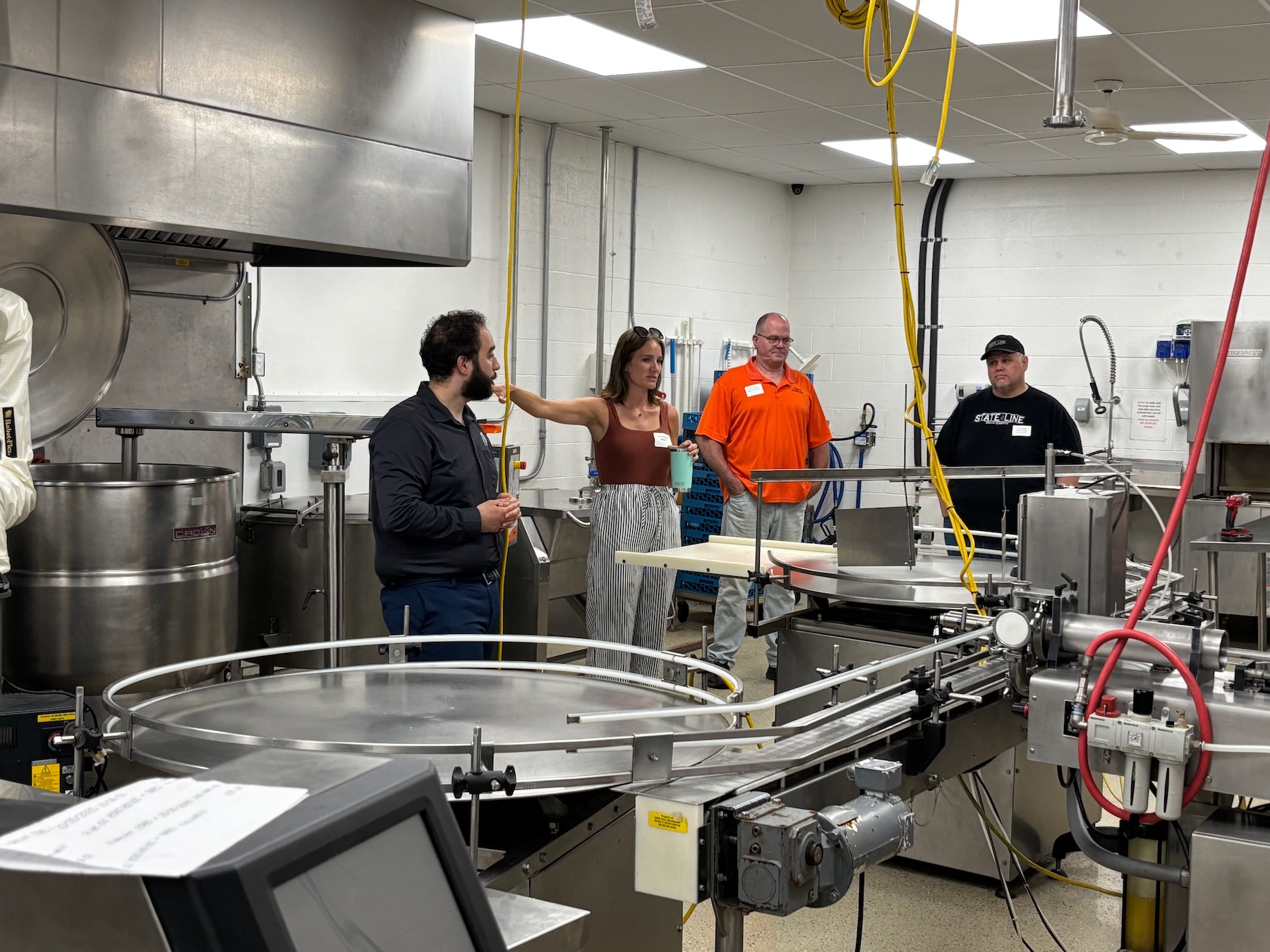
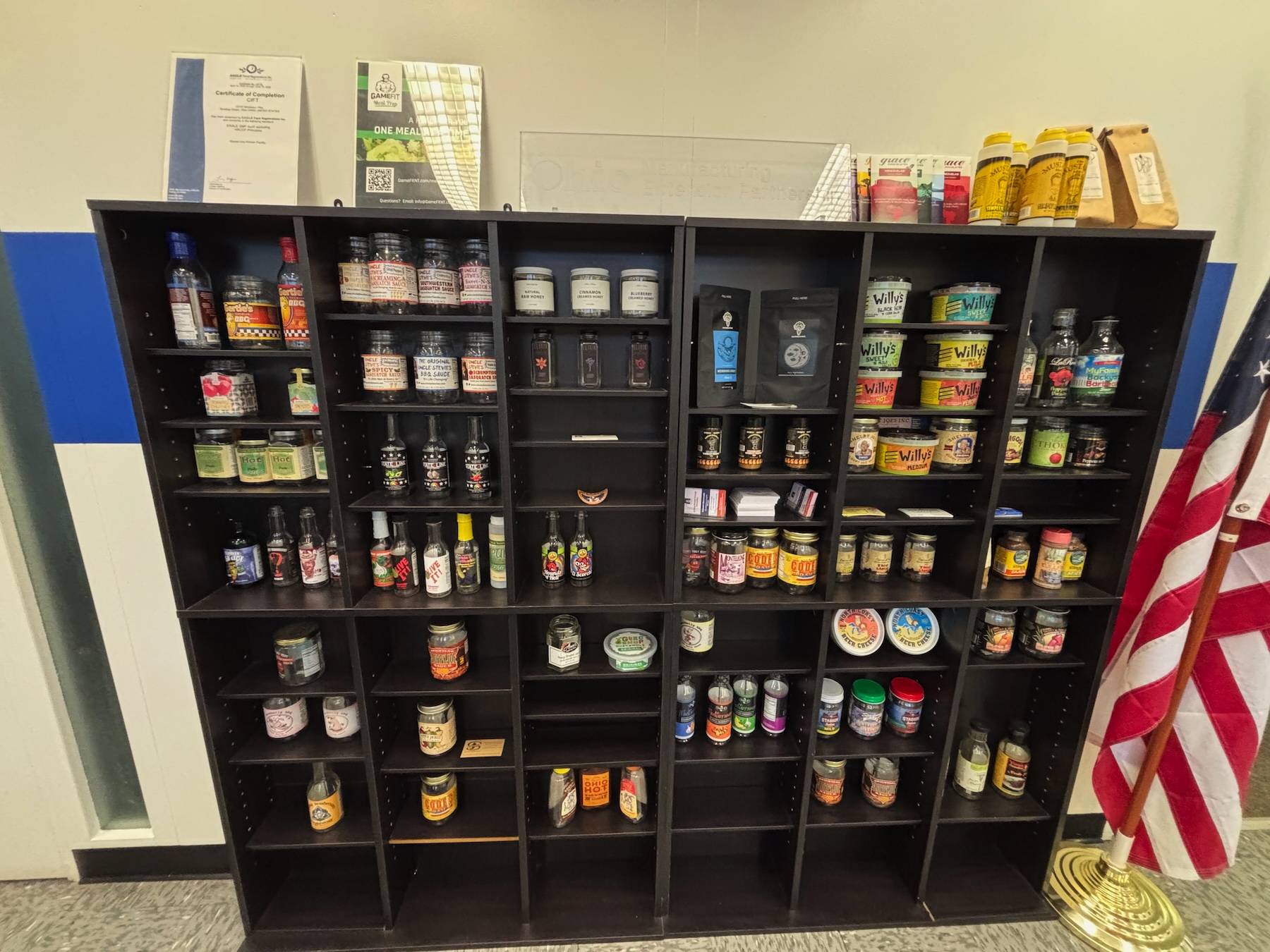
CIFT’s Northwest Ohio Cooperative Kitchen (NOCK), north of Bowling Green, has provided a licensed, shared kitchen facility, specialized equipment and expert guidance to 112 small businesses to develop, produce and scale up their food production. And hundreds more small businesses have benefited from the information and guidance offered in starting a new food-based business.
CIFT received a notice on Dec. 5 that its federal and state funding has been suspended for it and five other Manufacturing Extension Partnership (MEP) programs in Ohio while the U.S. Department of Commerce continues an audit of the Ohio Department of Development (ODOD) and the statewide MEP.
Because of the loss of funding, CIFT announced on Dec. 11 that it would suspend all operations on Monday, Dec. 15. (Read related story from Dec. 12)
According to Rebecca Singer, president and CEO of CIFT, the audit has been taking place for 20 months with no firm conclusion date.
“We just learned of some public statements have suggested that the review could involve issues with the Ohio MEP system. We take these findings seriously and are committed to understanding the issues identified and responding through the appropriate channels,” she said.
The standard process is that a drafted audit is shared and entities are provided with an opportunity to clarify and respond. This has not happened.
The suspension of funds, prior to having an opportunity to counter findings, demonstrates a failure in process. CIFT takes any concerns raised by oversight extremely seriously and continues to cooperate with the review and implement reporting modifications.
“CIFT has fully cooperated with the audit and the statements are misleading and inaccurate,” she said. “Any issues that occurred were administrative in nature and we are prepared to address them once a drafted report is provided.”
There is consistency in the findings among the organizations, further demonstrating a lack of clarity and understanding of administrative reporting. Several Office of Inspector General audits of other state programs have noted underreporting of program income, but they have been given the opportunity to counter findings.
“Our focus is on responding formally, outlining corrective steps and ensuring clarity for all stakeholders. CIFT has undergone four state audits in seven years with no material findings. These reflect CIFT’s long-standing commitment to oversight, transparency, and compliance,” Singer added.
Following direction from ODOD related to program income, adjustments to reporting were made and have met all auditing requirements.
“We expect to see a report, but it is unclear as to when it will be made available,” she said. “We are seeking clarity, advocating for a fair process and exploring whether any options exist to support an orderly transition.”
In the traditional process, the agency would have 30 days to respond prior to a final report being completed.
Currently, it is unclear about the transitioning process that leaves 13 staff members and hundreds of food-based businesses impacted in northwest Ohio.
Singer said CIFT is working to determine the impact on the projects that were underway. They are also looking for a solution for the businesses that use the licensed General Kitchen, Food Processing Kitchen, and Prep Kitchen, top-grade equipment, a fully automated canning line and storage to launch and scale up their signature recipes.