By JAN McLAUGHLIN
BG Independent News
With a split vote, Bowling Green City Council passed an ordinance Monday evening restricting new vape shops in the community through zoning regulations.
The zoning provisions for vape shops came in response to community concerns about the number of youth vaping. To put the proliferation of vape businesses on pause while the zoning ordinance was being created, a six-month moratorium on new vape shops was passed by council in April.
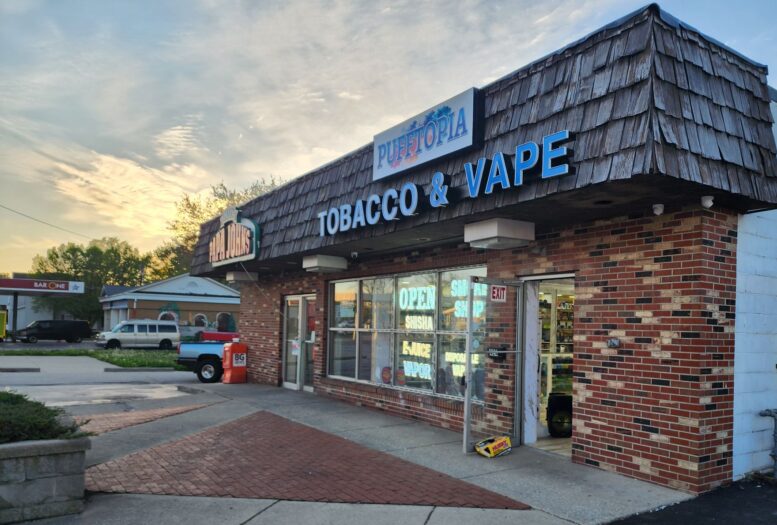
Bowling Green currently has 12 vape and smoke shops, and at least 15 other businesses that sell vapes as a secondary item.
During the moratorium, the city has not accepted, processed or approved any new applications or issued any new permits, licenses, variances or any zoning applications from or for vape/smoke establishments.
The zoning provisions, which were passed unanimously by the BG Planning Commission, included the following stipulations:
- A one-mile buffer between existing vape shops and any new vape businesses. That would essentially prohibit any new shops.
- A 1,000-foot buffer between vape shops and schools, day care facilities, libraries and churches.
- No walk-up or drive-thru purchases of vaping products.
- Vape purchases would only be allowed between the hours of 8 a.m. and 10 p.m.
- Signage must be posted explaining the legal age of vape purchases.
- No minors would be allowed in vape shops without a parent or guardian.
Those recommendations were considered by City Council Monday evening. Prior to voting, council agreed that the limits on business hours from 8 a.m. to 10 p.m. would be removed from the zoning provisions.
Voting in favor of the ordinance were council members Mark Hollenbaugh, Jordan Musgrave, Joel O’Dorisio and Rachel Phipps. Voting against were Jeff Dennis and Bill Herald. Greg Robinette was unable to attend Monday’s council meeting.
Herald and Dennis questioned the effectiveness of the zoning ordinance at limiting access to vape products by youth, and expressed reservations about denying any new vape businesses in the city.
“This will prohibit new businesses of this sort in Bowling Green,” Dennis said.
Herald and Dennis said they don’t vape, and aren’t thrilled about the number of vape shops, but Dennis said he also doesn’t like empty storefronts.
“I’m not sure this solves the issue,” Dennis said.
O’Dorisio, who said the city is at a point of “uncomfortable proliferation” of vape shops, pointed out that the number of businesses selling alcohol in the city is limited by the number of liquor permits available. Both are selling addictive products.
“It’s in the public interest to limit access” to minors, O’Dorisio said. “We need to be making sure our community is protecting the kids who live here.”
The number of vape shops in BG is not sustainable, “so they are selling to our kids,” O’Dorisio said.
In May, Bowling Green Police Division cited employees at three vape and smoke shops in the city for selling vapes to a confidential informant under the legal purchasing age of 21.
Municipalities have the power to enact planning and zoning laws for the health, safety, welfare, comfort and peace of citizens, including restricting areas used for business and trade.
During discussions, BG city leaders mulled over the opposing goals of protecting public health and meeting market demands.
In August, Bowling Green Planning Commission gave residents a chance to weigh in on proposed limits for vape shops in the city. No one showed up.
Monday evening, City Council gave local residents and business owners another chance to voice support or opposition during a public hearing. Again, no one rose to speak.
Planning Commission members voted unanimously in favor of the ordinance, but members expressed reservations. Planning Commission Chairman Bob McOmber in August cited discomfort with city government picking business winners and losers – since the zoning rules will basically limit the primary vape shops to those that already exist in city limits.
“I’m not in favor of vape shops and their products,” McOmber explained, but added that he is in favor of the free market.
Planning Commission member Tom Stalter agreed, saying the one-mile buffer zone between vape shops will drastically limit the businesses. But Stalter also pointed out the lack of anyone at the public hearing to address that issue.
Commission member Mark Remeis, shared his reservations about the limitations the new zoning would create. As a Realtor, Remeis said his job is often helping businesses find locations to rent.
“I’ve always said I’m all about the free market,” he said, adding he has never been a fan of letting government limit what landowners can do with their property. However, Remeis also said he has questioned how many vaping businesses one community needs.
McOmber said he was also troubled by the fact that the proposed rules only regulate shops where vape items are the primary merchandise. Ancillary businesses that sell vapes among many other items are not affected by the zoning rules.
“I’m not sure of the effectiveness of that,” McOmber said. “I’m afraid this will not change the outcome at all.”
The vape shop issue came to light in April when City Council, concerned about the public health effects of vaping, took action to stop the proliferation of vape shops by placing a six-month moratorium on new vape and smoke shops in the city.
The moratorium legislation was spurred by reports of increasing numbers of youth vaping in the community.
It was suggested that during the six-month period the Bowling Green Planning Commission study the issue and recommend ways to regulate vape businesses in the city through zoning.
Bowling Green Planning Director Heather Sayler researched how other cities in Ohio were regulating vape and smoke shops. Kent has capped shops at 20 based on the city’s population. Oxford requires the shops to be licensed, and not be located near youth-oriented activities.
Cleveland limits window signage, requires new shops to be at least two miles from existing shops, and at least 500 feet from churches, libraries, playgrounds, parks or schools. Toledo requires special use permits, and limits hours of operation. Sylvania requires posting of age warning signs, and regulates vape vending machines.