
By JAN McLAUGHLIN
BG Independent News
Cutting through red tape for Bowling Green residents is a speciality for Matthew Snow in the city’s Community Development Department.
Last year, Snow along with Martha Woelke (who retired at the end of 2025) helped people repair their homes, beautify their neighborhoods and find rides around the city. The office also took more than 350 concerns from residents who could remain anonymous if they wished.
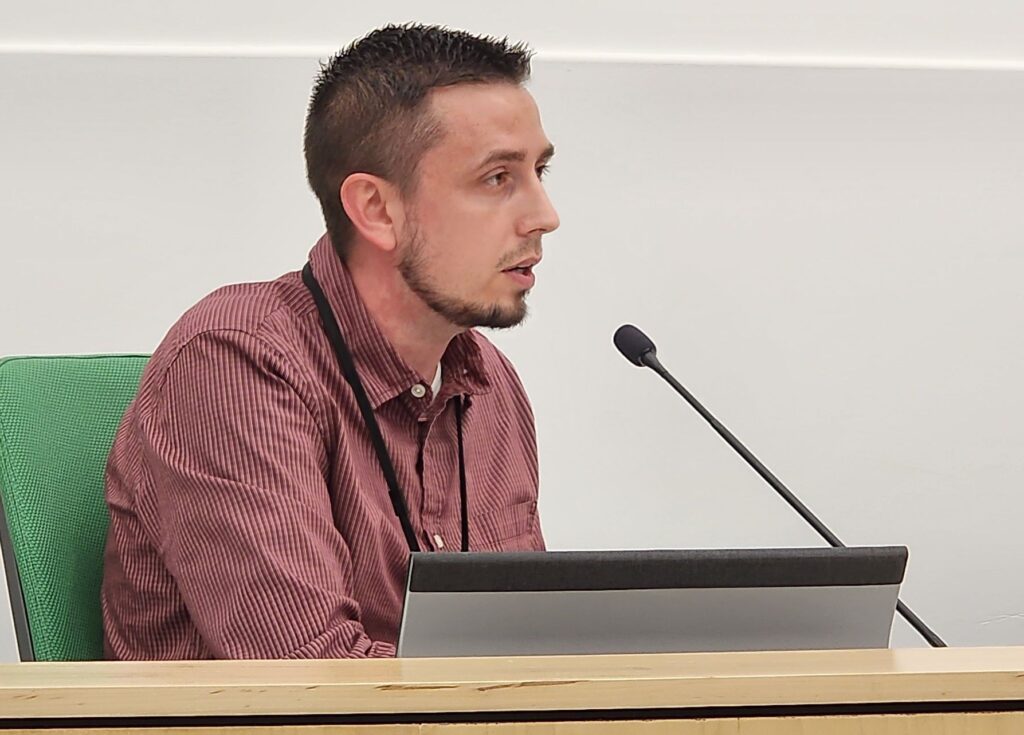
During a recent meeting of Bowling Green City Council, Snow reported statistics and success stories for the Community Development Department last year.
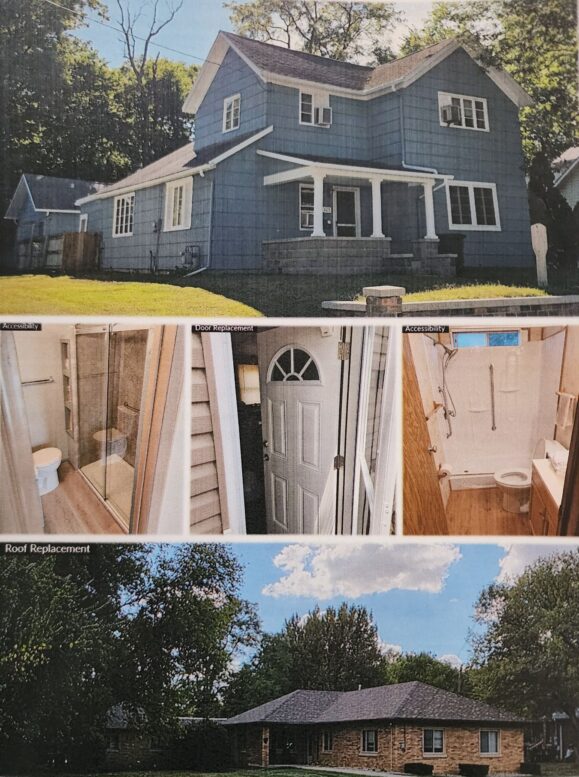
Local home repairs
To build on the success of the American Rescue Plan Act home repair program, the city launched its own local home repair program in 2025 with $100,000 from City Council. This program was designed to support projects not feasible under federally funded programs due to regulatory restrictions.
Last year, seven households were helped, with the average project cost of $11,500. The types of repairs included: 43% roofs or gutters, 29% HVAC, 14% galvanized water lines, and 14% lead-safe painting.
Snow presented some success stories of the local home repair program:
- An elderly homeowner living with galvanized water lines, identified by the city’s water line inspection process, received assistance through the program. All galvanized water lines were replaced throughout the home and to the city connection at the street.
- An elderly homeowner of a historic property with damaged siding and peeling paint was able to have the home repaired and repainted.
- A homeowner with a tarped roof for over a year had their roof replaced.
Community Development Block Grant
The city was awarded $282,486 in CDBG funding to assist households at or below 80% of the area median income to complete home repairs. This program helped 17 households, with an average project cost of $8,000.
The type of repairs made included: 24% roofs or gutters, 23% HVAC, 23% windows or doors, 14% accessibility, and 12% plumbing.
Through that program, some of the success stories included:
- An elderly homeowner living in a manufactured home had deteriorated flooring throughout a large portion of the house. To avoid falling through, the resident had placed 2 by 4 boards across the floor as walkways. The water heater also partially collapsed through the flooring. All damaged floors were repaired, the water heater was replaced, new flooring was installed, and an accessible shower and toilet were installed.
- An elderly homeowner with an inefficient, barely functional boiler was assisted with replacing the unit with a high-efficiency unit, estimated to be about 30% more efficient than the previous system.
- An elderly homeowner living in a manufactured home had a fire egress hazard due to damaged entry doors. The doors were replaced, and in collaboration with the BG Fire Division, a Knox Box was installed to provide secure emergency access.
Community Housing Impact & Preservation Program
Bowling Green continues to partner with Wood County to allow CHIP and Lead Safe Ohio funds to be used in city limits.
Last year one household was assisted:
- A home was identified as containing lead-based paint, and was occupied by a child under the age of 6. The homeowners received a grant to replace the home’s siding and windows as a proactive measure to prevent lead exposure.
Rental assistance
Over the last year, $365,050 was distributed through the Section 8 Housing Choice Voucher program, managed by the Consortium of Northwest Ohio. An average of 84 households were assisted each month, with the average monthly assistance per household of $459. An additional 22 Bowling Green residents are being assisted with Wood County vouchers.
Homelessness assistance
Twenty individuals whose last address was in Bowling Green, who later experienced homelessness, were assisted with resources and temporary shelter in a local hotel room. The Salvation Army implements that program on behalf of the city.
Economic development
Through the Business Revolving Loan Fund, $230,000 was loaned to local businesses to create jobs and boost economic activity. The loans are expected to create a minimum of seven full-time jobs.
Transportation assistance
More than $650,000 was allocated to public transportation, providing 25,172 rides, with 41% of the riders receiving half off their fares due to being elderly or having disabilities.
Community grants
To support the city’s Community Action Plan, micro-grants totaling $15,000 were distributed to five applicants. The funds were allocated in three categories: 40% for advanced citizen engagement, 33% for enhanced neighborhood beautification, and 27% for improved safety.
Neighborhood initiatives
Report a concern
An easy-to-use portal allows residents to submit concerns directly to the city without the citizen needing to know which department handles a specific issue. This removes barriers for residents unfamiliar with city operations, and ensures their concerns reach the responsible staff.
The option to submit anonymously provides an easy way for residents to share concerns. Since it began last year, the program has received more than 350 submissions.
Property maintenance
This program identifies, prioritizes and addresses property maintenance concerns throughout the community. The program is a collaborative effort between city departments and community partners to maintain safe, healthy and vibrant neighborhoods.
Community reinvestment area
This program provides a 50% real estate abatement for 10 years on the increased value of residential properties resulting from qualifying improvements. The program supports reinvestments in existing neighborhoods and new residential construction.
