
By JAN McLAUGHLIN
BG Independent News
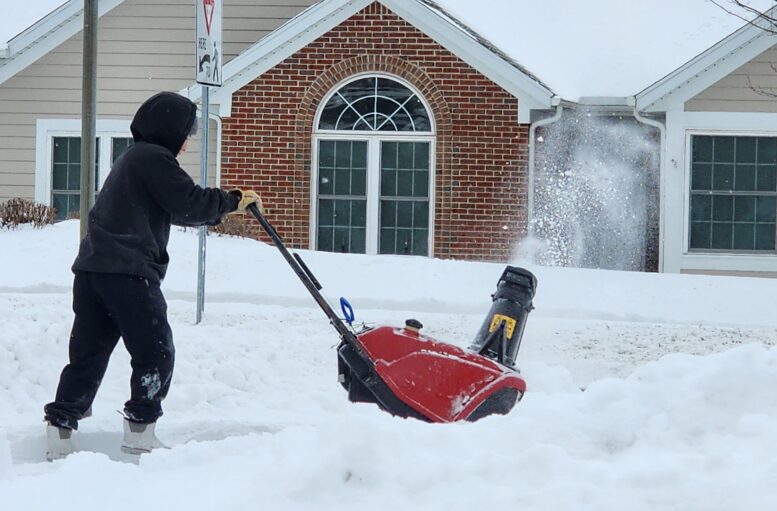
With temperatures lingering in the teens or lower, many area residents are layering up and hunkering down. But some are not able to hibernate until the deep freeze passes.
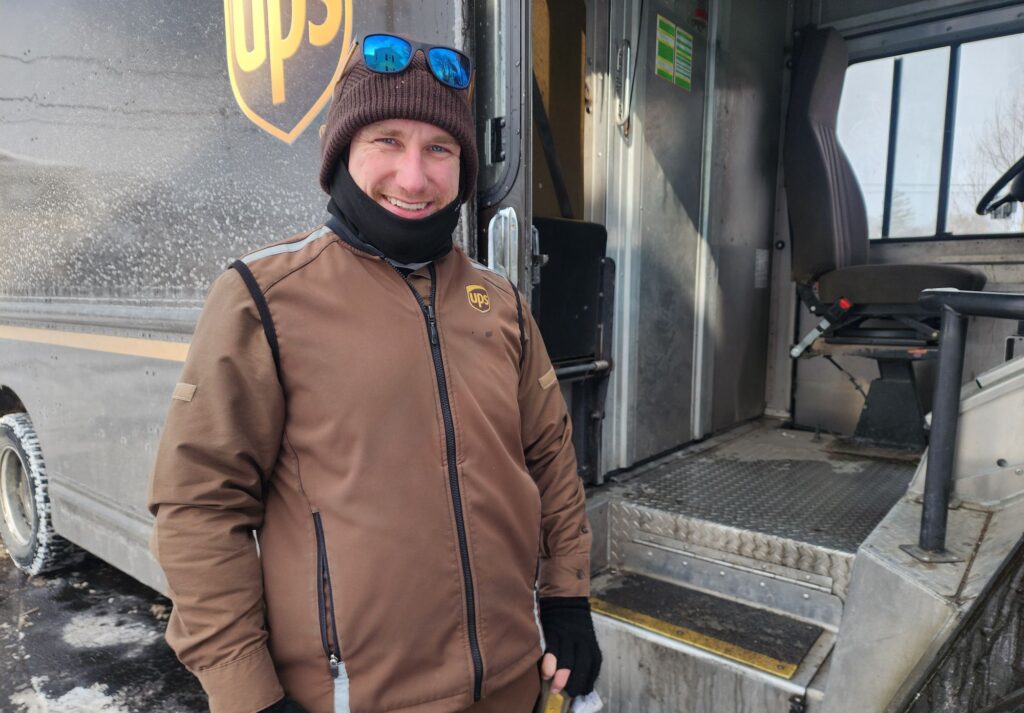
Take Greg Dotts, a UPS driver whose route covers the residential areas on the west side of Bowling Green. On Tuesday, with temperatures peaking in the teens, he was busy making his rounds on South Grove Street.
His secret for staying warm – pull on multiple layers, keep moving, and wear heated socks. Dotts said he actually keeps warm enough on his route that he sometimes leaves the door open on his delivery truck as he travels through some residential areas.
The cold doesn’t bother him. But the snow tends to bog down deliveries. He had to climb through a drift to get to one house.
“I hate the snow. That’s what slows down my day,” Dotts said.
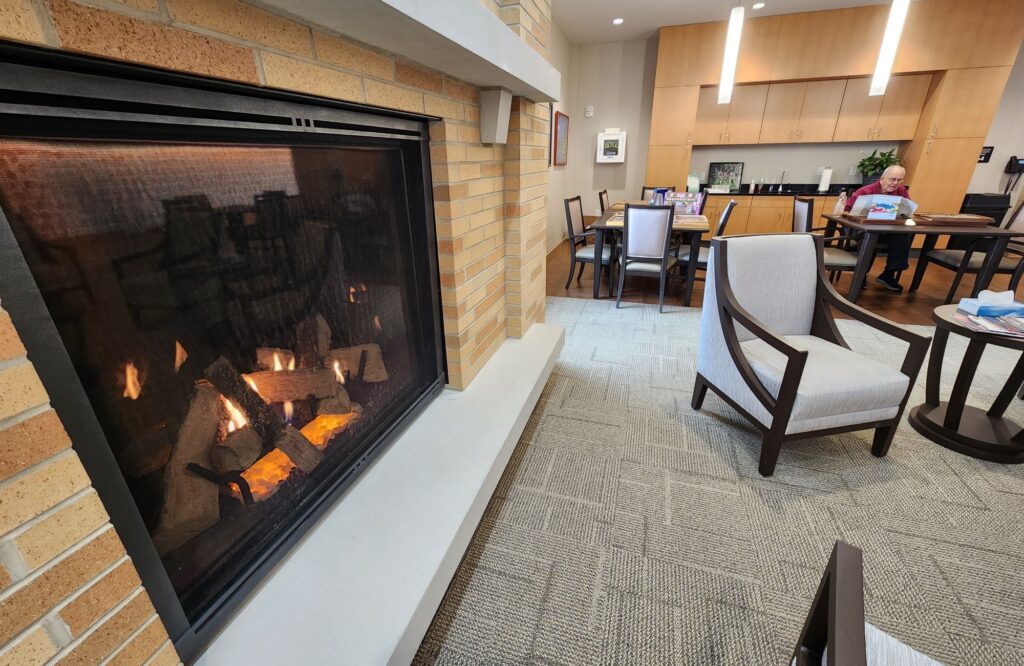
The Wood County Senior Center in Bowling Green was closed again Tuesday due to the weather. But it was open to anyone in the community as a warming center.
For the second consecutive day, there were no programs offered and no meals served at the center. “We don’t want to encourage people, or entice them to come out,” said Alisha Nenadovich, executive director of the Wood County Committee on Aging.
Seniors, who regularly receive home-delivered meals, were instructed to instead use the shelf-stable meals they were provided in November for situations such as this. In anticipation of this winter blast, frozen meals were provided to many seniors last Thursday.
Since the home-delivered meal program also provides an in-home check for close to 600 households in the county, the senior center staff and delivery drivers place phone calls to all those homes to check on the wellbeing of the seniors.
“They are really sweet. They don’t want us to come out,” Nenadovich said.
The Wood County Committee on Aging asks community members to check on their older adult neighbors, friends, and family members. A quick phone call, text, or knock at the door can ensure they have the warmth, food, medications, and support they need. Anyone able may also consider shoveling sidewalks, clearing porches or walkways, and assisting with ice removal for older adults in your neighborhood. These small acts of kindness help prevent falls and ensure safe mobility.
While this weather turns a lot of people into homebodies, not everyone feels the need to stay home, buried under blankets.
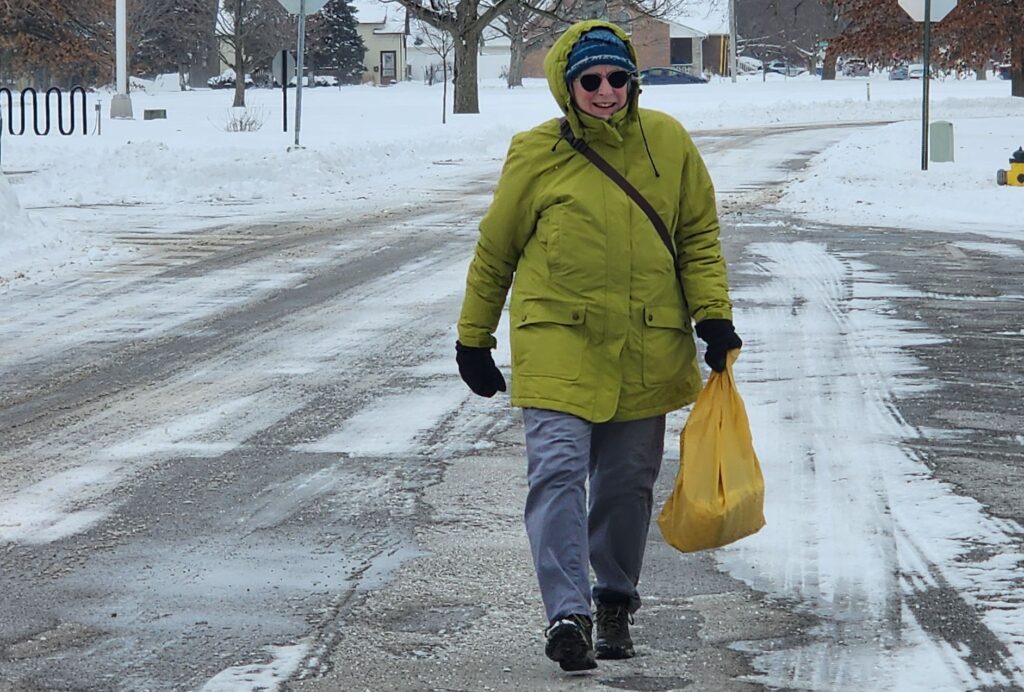
On Tuesday afternoon, Penny Evans-Meyer, of Bowling Green, was taking a walk through City Park.
“I used to live in Minnesota,” she said as an explanation. “Minnesotans have inspired me. It’s good to be out in all four seasons.”
The snow isn’t a deterrent to Evans-Meyer – but ice, that’s another matter.
“I’m glad there’s very little ice,” she said. “That makes me stay home.”
With the state’s temperatures expected to continue being dangerously low, the Ohio Emergency Management Agency is urging Ohioans to prepare themselves, their households, and their vehicles for more brutal winter weather.
According to the National Weather Service, Ohio will experience dangerously low wind chills ranging from -10°F to -25°F, causing frostbite to set in quickly on exposed skin. The severe, cold snap is expected to remain through the weekend and continue into February.
Long durations of these temperatures increase the risk of burst pipes, power issues, dead car batteries, and other infrastructure impacts.
The Wood County EMA advises local residents to bundle up and limit time outdoors, charge devices, stock essentials, and make sure necessary medications are refilled. Travel only if necessary, keep an eye on road conditions, and prepare your vehicle.
Some preventative actions to take include:
Frozen pipes: Best practices for avoiding freezing pipes in these temperatures include:
- Insulating pipes, when possible.
- Let indoor faucets drip – a drip or small stream can help keep pipes from freezing.)
- Leave sink cabinets open to expose them to warm air.
- Turn off valves to outdoor faucets.
Carbon monoxide poisoning: Be cautious of carbon monoxide danger. Carbon monoxide is the leading cause of accidental poisoning deaths in the United States. When using alternate heating sources, the danger of carbon monoxide poisoning rises. All homes should have working smoke and carbon monoxide detectors.
- Symptoms of CO poisoning include headaches, fatigue, dizziness, shortness of breath, chest pain, nausea/vomiting, confusion and drowsiness or unconsciousness. If you or anyone in your home are experiencing any of these symptoms, or your carbon monoxide detector’s alarm sounds, leave the building immediately and call 911. Click here to learn more.
Pets and livestock safety: Ensure all livestock has access to warm safe shelter and plenty of unfrozen water to drink. Bring animals into shelters at night during extremely cold temperatures. Animals need protection from severe cold, as well.
Dress in layers. Try to have as little skin exposed as possible. Know that frostbite can occur on exposed skin in less than 10 minutes. Hats, scarves, and mittens are a must. Limit your time outside. If you see signs of frostbite, seek medical care immediately.
Hypothermia: Symptoms include shivering, exhaustion, confusion, fumbling hands, memory loss, slurred speech, and sometimes drowsiness in older adults and children. In infants, symptoms can include bright red or cold skin and very low energy. Dress babies and children appropriately for the cold.
Frostbite: Symptoms include a loss of feeling and a white or pale appearance in fingers, toes, ear tips, and the tip of the nose.
Check on your neighbors, especially the elderly or vulnerable individuals. Ensure they have adequate heating and enough food and water to sustain the cold weather.
Travel Safely: If you’re traveling, make sure you have a winter emergency kit in your vehicle. Items include flashlights, extra batteries, toolbox, high-energy snacks, bottled water, car charger for cell phone, extra jackets, gloves, hats, blankets, tools, and battery jumper cables. Call #677 if you need roadside assistance. And remember: Ice and Snow, Take it Slow. Visit ohgo.com to learn about road conditions and road closures before heading out.
For additional information on winter weather safety and what to do before, during and after a winter storm, visit the Ohio Emergency Management Agency, and Ohio Committee for Severe Weather Awareness websites.
