By KAYLIN PICKETT
BG Independent News
Tucked away among farmland surrounding Bowling Green lies 23 acres of land that have been transformed into a developing wetland.
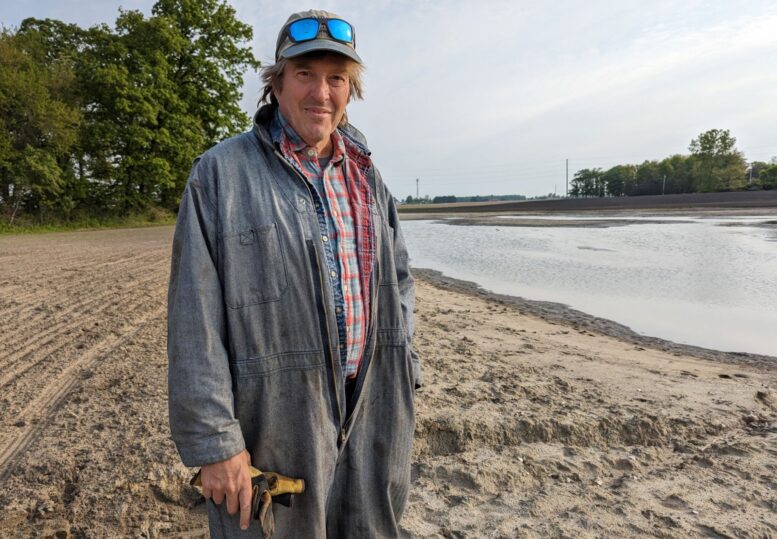
Here, Staten Middleton is restoring his family’s land on Mitchell Road to a diverse wetland ecosystem. The goal of this project is to maximize biodiversity of the flora and fauna in the area.
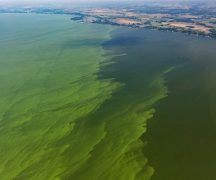
Wetlands act as a natural filter to help improve water quality. Excess rainfall washes into lakes carrying nutrients found in fertilizers like nitrogen and phosphorus that can cause algae blooms. Wetlands will absorb those nutrients and filter them to prevent algae growth, according to H2Ohio.
H2Ohio is a water quality initiative started by Gov. Mike DeWine to help correct the issues impacting Ohio’s water sources. The program was launched in 2019 to help reduce algal blooms, stop pollution and improve access to clean drinking water.
With the help of grants from the H2Ohio Statewide Wetland Grant Program, Middleton has been transforming his family’s property back to its natural state.
While listening to NPR, he heard a story about the dead zones in different bodies of water. These areas are what programs like H2Ohio are trying to prevent and heal with the help of people like Middleton.
“They talked about the dead zone in the Gulf of Mexico, the dead zone in Lake Erie, you know, etc. So that’s why we’re doing it,” Middleton said.
Before this project, the area was used as a cow pasture and before that, there is evidence that the area was used for oil production in the 1890s. At that time, there were very few environmental regulations, which may have led to potential contamination of the area.
“There are remnants of oil pipes that they found when they dug this pond out. And all through here, it’s like old oil wells,” Middleton said.
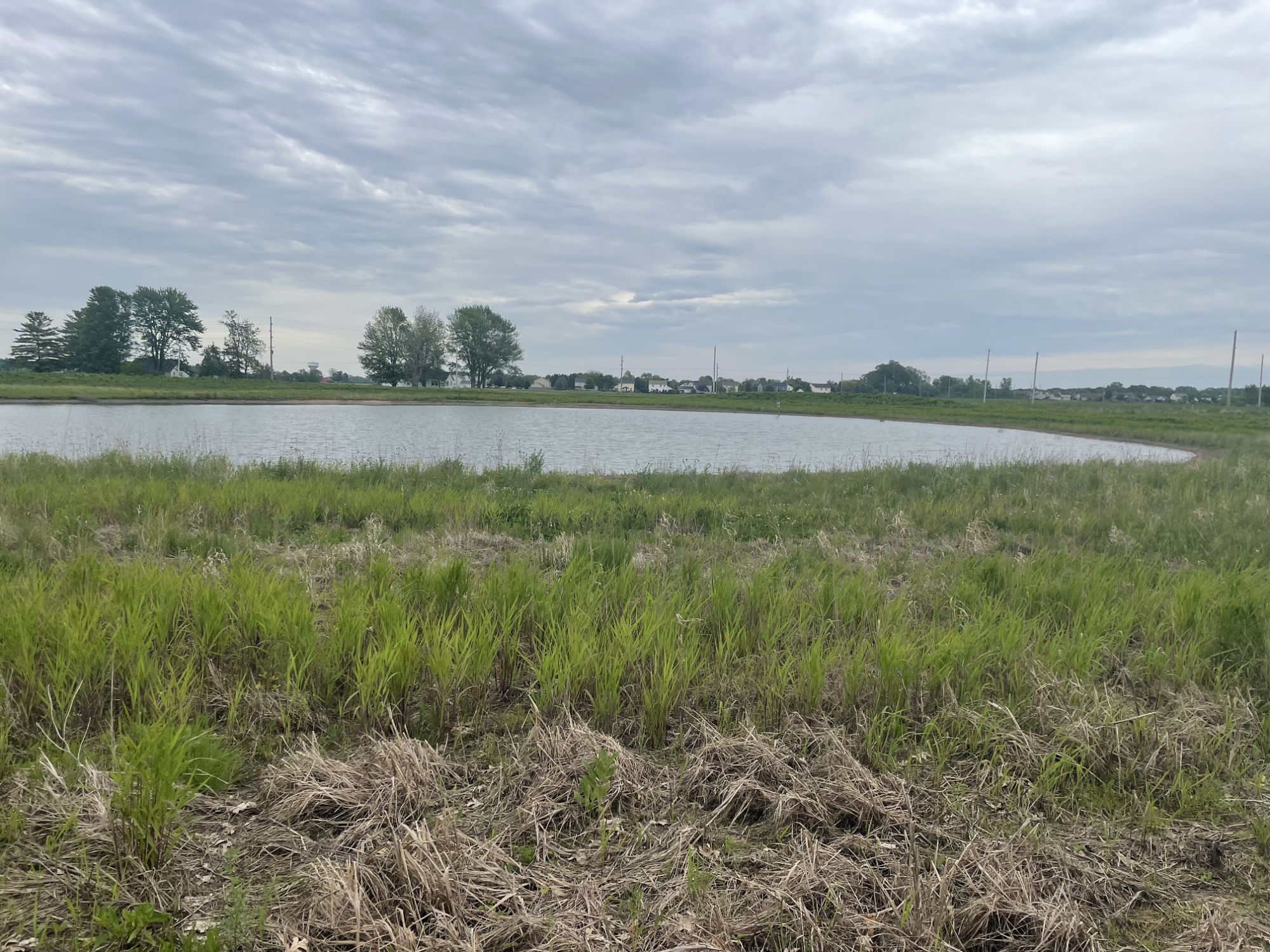
The 23 acres now consist of three ponds, an open prairie and a portion of the woods. The land is split into the upper and lower wetland. The lower wetland consists of the cistern and the two smaller ponds and the upper wetland has the larger body of water. In both of these, the water level fluctuates each season.
“This is great for, like, shorebirds. You just want variety, whatever you’re doing, you want variety. You want change,” said Nick Breen, an environmental restorationist who has been helping Middleton with the restoration.
The process starts when the rainwater falls into the gutters, which drain into a 1,500-gallon cistern that overflows into a borrow pit in the lower wetland lined with clay to hold the water. Once that pond overflows, it drains into another pond where native water plants grow. From there, the water travels into the main body of water in the upper wetland.
Throughout the property, different seed mixes have been spread with a mixture of plants native to the area and beneficial to the surrounding ecosystem. The Conservation Reserve Program plant mixes contain different grasses and wildflowers tailored to the region outlined by the Natural Resources Conservation Service.
“When you plant a mix, you get a group of plants that germinate quickly, and then different plants will start to establish themselves,” Breen said. “That’s a normal process, they’ll increase and decrease, sort of like rebalance themselves.”
There are also several different bird houses and bat houses throughout the property to encourage different bird species to build nests there. Middleton hopes to eventually see a family of wood ducks living near the upper wetlands.
Middleton has been working on this restoration project for about three years to develop a self-sustaining wetland. The area does require some maintenance to keep invasive species from the area and help control the water level of the upper wetland.
He planned out the 23 acres according to the guidelines set by the Wetland Management Plan. He had to map out the watershed process and the plan for seeding the area.
Middleton hopes that the area will eventually be used for researching wetlands and the benefits of the restoration for surrounding ecosystems.
He also hosts events on the property to raise awareness about the site and educate people about the importance of wetlands. There is a stage set up near the barn for bands to perform and a grassy area for seating. He hopes to host another event in July when the flowers are blooming.