By LINDSAY-JO DOUGLAS
BG Independent News
Anyone with two teeth, one on the top and one on the bottom, would have passed an early requirement of American soldiers. Soldiers needed to be able to use their teeth to “tear open the cartridge box” to load their guns, said Dan Haas, a reenactor at Wood County Museum’s “Early Ohio on the Portage” reenactment event.
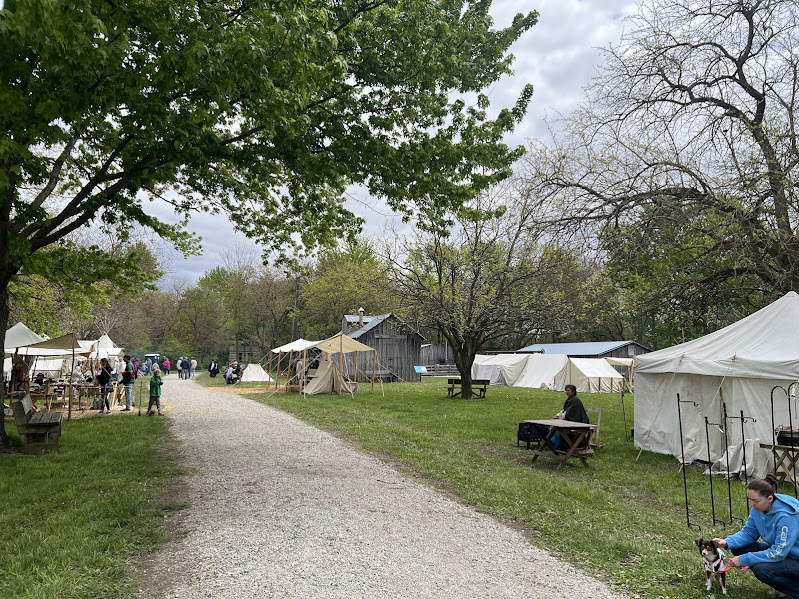
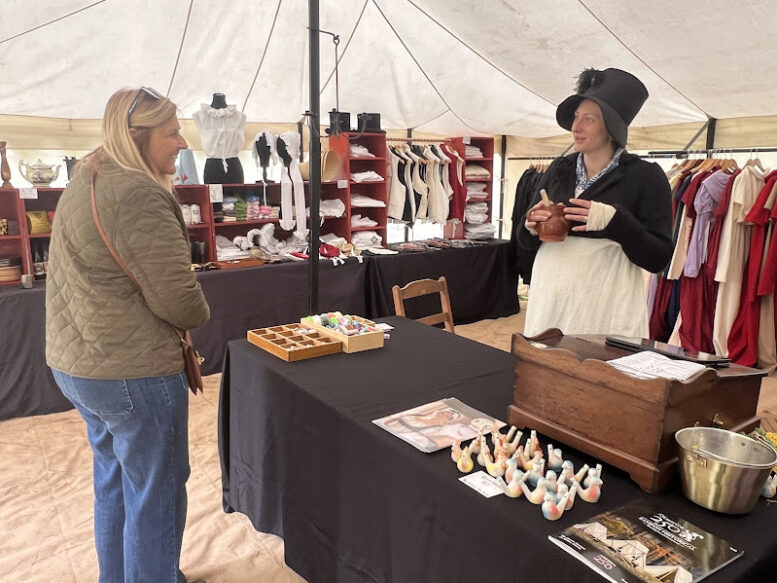
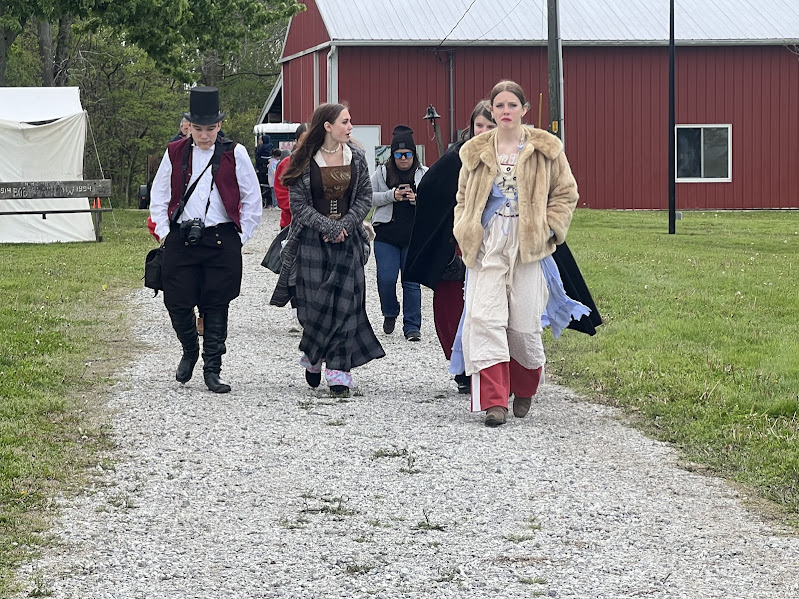
Attendees could learn about topics from blacksmithing to natural herbal remedies through reenactors who brought history to life.
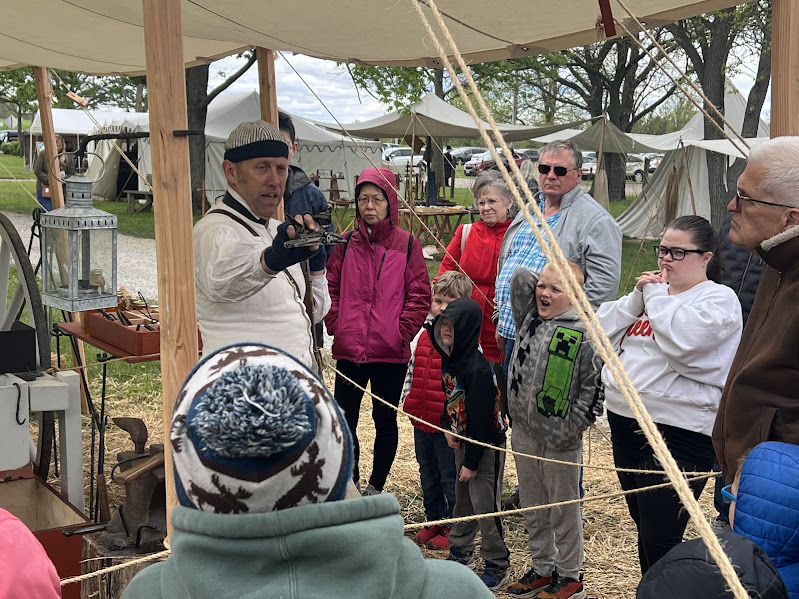
Haas, who acted as a blacksmith, said that during the American Revolution, most things would have been made with iron, as it was more accessible than steel. The only parts of guns that were made of steel were the “hammers” – the part that strikes the flint to cause a spark. Haas said that the gun of choice was likely the .75 caliber musket, meaning it was shooting lead balls that were 3/4″ in diameter. Women and children frequently made the cartridges to load the guns, and in times of desperation, Bibles and hymnals were used to load the cartridges.
Haas demonstrated some of his blacksmithing skills using a traveling forge that was built based on plans from 1768. He said that, on the frontier, charcoal would have been used more often than coal. Coal was more difficult to come by and had a higher price, so it was often found in use in cities and by the British.
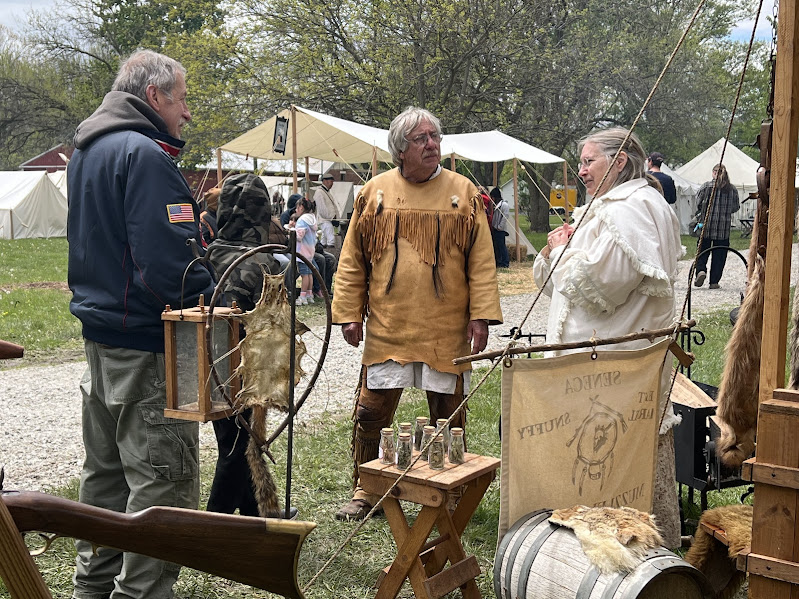
Rita Krebs with the Seneca Muzzleloaders taught attendees about natural ingredients that were used as medicines. Some ingredients and uses may have been questionable but others have been proven effective and are still used today. For example, mint tea was historically given to people with stomach issues, and mint is still used to treat nausea today.
Early Ohioans that put honey on wounds knew it helped, but they didn’t know it was because the honey kept out bacteria. Settlers also would have used spiderwebs and moss to stop people from bleeding in various contexts. Plantain was squeezed for juice and applied to mosquito bites to stop them from itching, and this is still effective today.
Other remedies, such as smoking cornsilk for asthma, were encouraged to be left in the past.
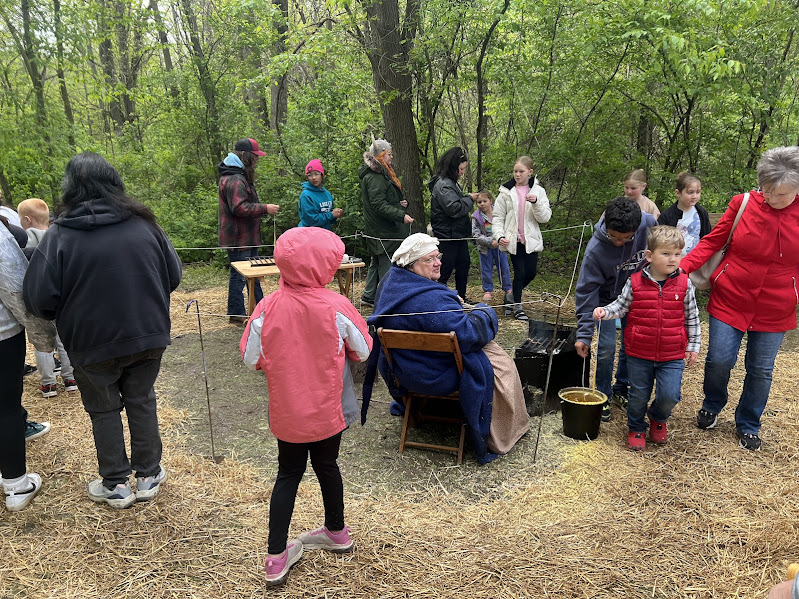
Attendees could also participate in hands-on activities, such as dipping candles. Participants would start with a long wick, then dip it in warm wax. They would then walk around the circle, allowing the layer of wax to cool, before dipping it into the warm wax again. Eventually, these layers formed a candle.
This event was co-sponsored by the Maumee Valley Heritage Corridor and the Wood County Museum with additional support from Visit BG Ohio, Sleek Academy, and All About the Kids Learning Center. Other event sponsors included Edwin & Irma Wolf and Dave & Cindy Hollinger.