
By ALLISON McVICKER
BGSU Journalism Student
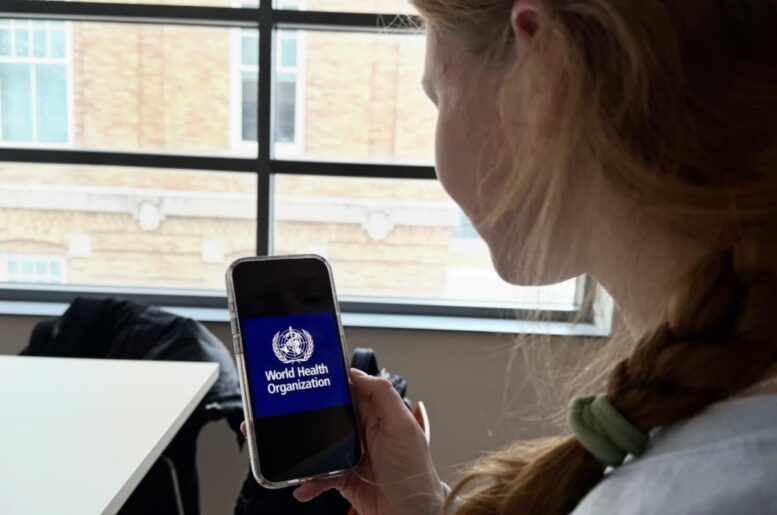
President Donald Trump’s recent decision to withdraw the United States from the World Health Organization doesn’t only have international impacts. Area public health experts said the decision could leave Wood County without critical information about disease tracking, data sharing and emergency preparedness.
The announcement comes a year after Trump signed an executive order to remove the U.S. from the organization, citing concerns about the WHO’s alleged mishandling of the COVID-19 pandemic and other global health crises.
Lauren Maziarz, a public health professor at BGSU, said the change will not only impact the international community, but communities like Bowling Green as well.
“While the U.S. provided substantial funding for the WHO, withdrawal not only has consequences for the global community, but also domestically,” Maziarz said. “Many of the evidence-based guidelines that practitioners use are developed based on a combination of both domestic and global data tracking and surveillance.”
Founded in 1948, the WHO is the United Nations agency that coordinates international responses to public health problems and emergencies. Member countries, which previously included the U.S., contribute financially to the organization to support collaborative global health initiatives.
Withdrawing from the organization means less funding for the organization, as well as less health information being shared internationally.
“Globally, WHO works to track data, set global wellness goals called ‘Sustainable Development Goals’ and improve living standards for all people, including the most vulnerable,” Maziarz said.
Katlin Medjesky, the community outreach coordinator of the Wood County Health Department, said that international partnerships also help smaller communities – including Wood County.
“Infectious diseases and health emergencies don’t see borders,” Medjesky said. “International collaboration can help protect lives here at home by improving prevention and response systems.”
Medjesky said cross-country collaboration with other countries through the WHO can help communities be more prepared for public health emergencies.
“Working across borders strengthens early-warning systems that help communities like Wood County stay prepared and respond quickly when health threats emerge,” Medjesky said.
The withdrawal of the U.S. from the WHO may also impact students conducting research on public health, as the lack of funding can lead to more difficulty in accessing the organization’s data.
“It is easy to think we are isolated in our research and knowledge, but medical knowledge constitutes shared data and experience,” Maziarz said. “Without U.S. funding, data collection is at risk, making it harder for students to find high-quality evidence.”
Though the withdrawal was finalized last month, Medjesky said that situations like this have happened before with other countries, and it is possible for the U.S. to reapply and rejoin the WHO.
Medjesky said it’s still possible for citizens to advocate for their health by being aware of what resources are available for them.
“Even when decisions are made at the federal level, people can still protect their health by staying informed through trusted sources and following evidence-based prevention practices,” Medjesky said. “Strong local public health systems play an important role in disease surveillance, education and emergency preparedness, helping ensure emerging health risks are identified and addressed early.”
To learn more about the World Health Organization, visit https://www.who.int/.
To learn more about the Wood County Health Department and its resources, visit https://woodcountyhealth.org/.
