
Regarding the reported proposal by Sawvel & Associates to increase electrical rates and ultimately rescind the solar tax and facilities charge, we have two concerns. The first is that the rate increase has not been independently audited, which leads us to wonder whether is is associated with infrastructure costs due to increasing heavy demands from heavy industrial users, such as the Meta hyperscale data center, Abbott, and others; perhaps even the utility-scale solar field that is being built?
The second major question for us is how the solar tax and facilities charge penalty implemented through Rider E was ever justified to begin with? Without any regulatory oversight, not even the Ohio Consumers Counsel, BG ratepayers have no way of knowing. Theoretically, BG has a city council and mayor who are supposed to provide input to the Utilities Department on behalf of their constituents and appoint utility board members who would closely monitor ratemaking and fully understand the costs, providing checks and balances.
The BG Municipal Utility had asserted community members who did not have rooftop solar were being unfairly charged, “unavoidable grid costs,” but we have seen no evidence to support this. We had hoped that our elected officials would look into such assertions, which we never understood.
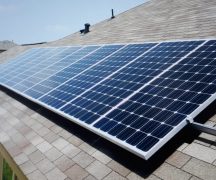
Our clean energy, as well as that of other rooftop solar providers, serves the next closest demand from our neighbors. We therefore avoid transmission costs, like those bought from traditional generating facilities, such as the Prairie State coal-fired power plant. In addition, there is no debt servicing costs in rooftop solar installations that would be passed through to the ratepayers since the owners must privately finance all costs.
This hostility to rooftop solar from the city has damaged all other ratepayers in Bowling Green by discouraging others to invest in clean and affordable energy. BG seems to overlook the fact that they make a profit from what we send to our neighbors. The profits the city makes by paying us less for our clean energy than they charge to resell it are amplified when it is considered that rooftop solar providers are not compensated for peak power pricing, which is predicted to increase as summers get hotter and power demand increases.
Instead of Rider E, BG could have done what Ann Arbor is doing to build more solar in the city, even batteries, to help reduce electrical rates. Not only does Ann Arbor’s policy hedge against the price volatility of fossil fuels, but it also ensures adequate supply for costly peak power demands.
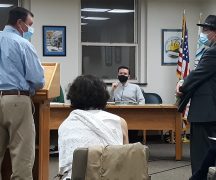
In theory, BG’s mayor and city council are supposed to provide oversight of the utilities department, appointing representatives to the utility board who would provide the checks and balances to represent the best interests of the residents of BG. Instead, city council has doubled down to defend BGMU’s actions and Rider E and dismissed citizen concerns without gaining a full understanding and demanding justification for it.
The truth needs to be told about BG electrical rates and costs. Remember that the mayor and city council are responsible for understanding BG’s rate structures, the justification for rate increases, and to question the costs that are being passed along to ratepayers like the oversight demanded of investor-owned utilities. Electrical ratemaking should be a major issue in future elections, or there is no accountability. As it stands, there is no guarantee that BGMU will not implement Rider F in the future and that electrical rates will increase without looking at alternatives, such as the cost savings that can be realized by investing in rooftop solar rather than actively discouraging it.
Leatra Harper
Bowling Green