
By JAN McLAUGHLIN
BG Independent News
The Bowling Green Community Development office is making a difference in the city one home repair, one job creation loan, and one public transit ride at a time.
On Monday, BG City Council heard a report from Director of Community Development Matt Snow on how the city is helping those least able to help themselves.
“The work we do through the Community Development programs directly supports residents who need help the most, and those positive effects extend far beyond those households to the entire community,” Snow said when contacted on Friday.
The Community Development Block Grant is a federal program administered by the Department of Housing and Urban Development that helps cities fund projects and services that benefit low- and moderate-income residents. The city applies for an annual allocation to support local housing, public service, and community development activities.
In April, the city was awarded $276,540 for the CDBG 2026 program year, which begins Sept. 1, 2026. Snow’s report primarily focused on the current CDBG program, with an upcoming deadline at the end of June when CDBG funds must be spent.
A big chunk of the funding each year goes toward housing – helping homeowners with repairs, and helping unhoused find temporary housing.
“The housing programs are an important part of maintaining affordable housing. We can’t focus only on creating new affordable housing; we also need to protect and preserve our existing housing,” Snow explained.
Home repairs
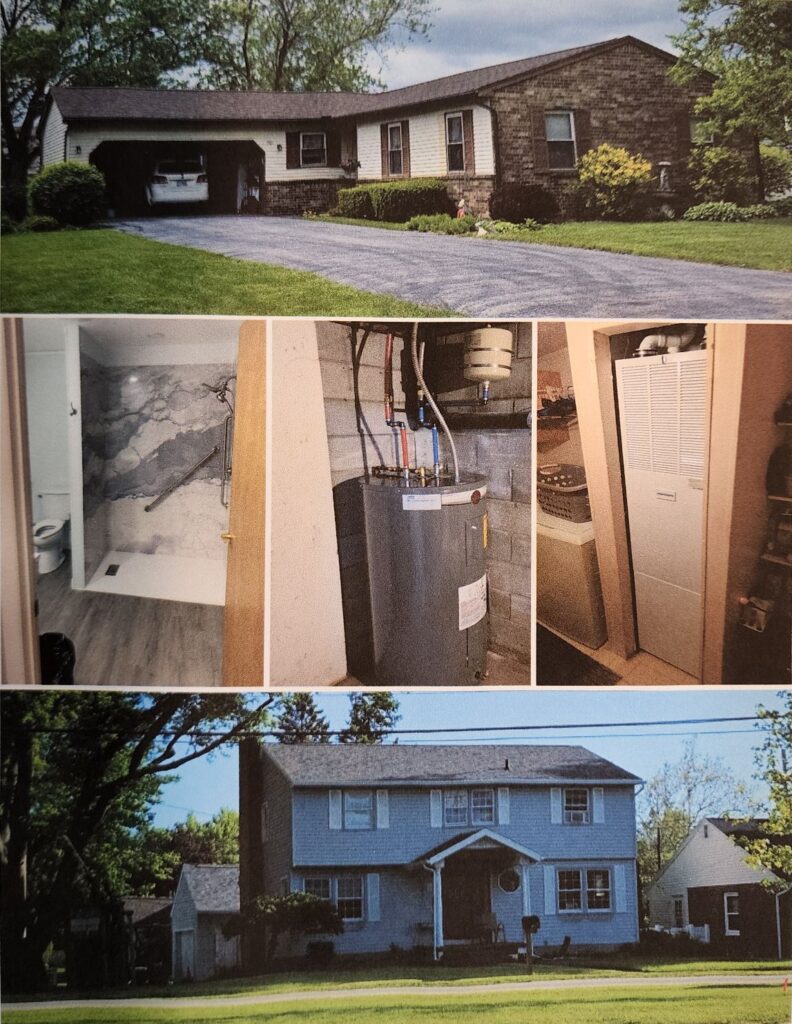
The CDBG home repair programs help address health and safety issues by providing assistance for needed home repairs that homeowners would not typically be able to afford on their own. These programs focus on substantial repairs – averaging a cost of $10,000 – for repairs to roofs, heating systems, and accessibility improvements, and primarily serve owner-occupied properties and mobile homes, with some funds also available for rental repairs. Applicants must meet income eligibility guidelines with a household income below 80% of the area median income, based on household size.
As of May 10, eight home repairs have been completed, and nine are under contract. The program year will end on Aug. 31.
The types of repairs have been roofing (41%), HVAC (41%), plumbing (12%) and accessibility (6%).
The average applicant age is 68, with more than 80% being elderly. About 30% are widows, and 30% are disabled.
Snow listed some of the success stories through the home repair program, which:
- Assisted an elderly applicant with a furnace replacement after heat was lost during cold weather, and the furnace could not be repaired.
- Assisted Wood Lane Residential Properties in making a bathroom fully accessible for residents of one of their homes through a 50/50 partnership.
- Assisted a 97-year-old applicant with a sewer main replacement after the line was found to have significant damage, causing serious sanitation concerns.
- Assisted an elderly applicant with a roof replacement after years of leaks and delayed repairs. The roof and fascia had significant damage, and the project was among the most expensive of the program year, far beyond what the homeowner could afford.
- Assisted an elderly applicant with a furnace replacement after her basement flooded during a storm and her insurance company denied coverage.
- Assisted with the replacement of a furnace and water heater that were also found to be venting directly into a home.
Transitional housing for the homeless
A total of $6,000 was allocated to support individuals in Bowling Green who are currently unhoused. These funds help provide access to local resources and temporary shelter through hotel accommodations. The Salvation Army serves as the subrecipient and administers the program on behalf of the city.
To date this year, the program has assisted 15 individuals, with more than $3,500 expended. This partnership between the city and the Salvation Army has provided meaningful support to families and individuals in need, Snow said. The Salvation Army covers all administrative expenses, while the city funds the direct cost of hotel stays.
Local home repair program
Also helping homeowners is the Local Home Repair Program, which is a city-funded initiative with a $100,000 allocation from the general fund to support home repair efforts. It provides flexible income eligibility up to 350% of the federal poverty level and waives select federal CDBG regulations for greater project feasibility. CDBG projects are currently prioritized to meet HUD spend-down requirements, but Local Home Repair projects will begin soon and be completed by year-end.
Residential Community Reinvestment Areas
The Residential CRA Program is intended to invest in BG neighborhoods by providing a 50% real estate tax abatement for 10 years on the increased value of residential properties resulting from qualifying improvements. The program supports reinvestment in existing neighborhoods and new residential construction. Eligible projects include new construction, additions, or major renovations, while routine maintenance does not qualify. Property owners must remain current on taxes, obtain proper permits, and apply within nine months of project completion.
Since the program launched in 2024, the city has processed 55 applications, reflecting strong interest from residents and developers in using the abatement to support neighborhood reinvestment and new housing development.
BG Transit – public transportation
The Bowling Green Community Development office also administers the city’s public transportation program.
“BG Transit provides residents with reliable access to jobs, healthcare, groceries, and other needs, especially for seniors and people with disabilities,” Snow said.
The Rural Transit Program is a federal-formula grant that provides funding to states for capital, planning and operating assistance to support public transportation in rural and non-urbanized areas, helping communities maintain and expand transit services. The city participates in this program by competitively applying each year through the state’s allocation process, seeking funds to support BG Transit, which aligns with federal and state goals.
For the year 2027, over $650,000 is allocated to BG Transit for public transportation, which is expected to provide 25,000 rides – with approximately 40% of riders being elderly or having disabilities, who receive half off their fare.
Business revolving loan fund
To date, $140,000 has been loaned to support job creation and economic development. These loans are available to local businesses at 0% interest, in exchange for one full-time equivalent job created for every $35,000 borrowed, making the program a valuable opportunity for businesses looking to grow and create jobs within the city.
Micro grants
This year, $15,000 was awarded to six applicants to support projects aligned with the goals and priorities of the Community Action Plan. The program received 15 applications, with total funding requests of over $58,000. Due to limited funds, only $15,000 was available, allowing for the selection of six projects.
This year’s projects will support neighborhood improvement, food access, youth engagement, community outreach, and sustainability throughout Bowling Green.
Awarded projects include:
• Downtown dumpster enclosures, which will enhance downtown aesthetics and contribute to a cleaner, more organized public space through beautification and infrastructure improvements.
• Brown Bag Food Project, which will expand access to food resources for local families and support a long-term fundraising strategy to sustain ongoing services.
• Dinner Theatre BG, which supports cultural heritage, community engagement, and youth enrichment through inclusive programming and strong local partnerships.
• Front Porch Pot Challenge, which will promote neighborhood beautification through a family-friendly activity that encourages resident participation and community pride.
• Back to School Trunk or Treat, which will provide school supplies, food, and resource connections for local students and families.
• Caps for Benches, which supports student engagement and environmental stewardship through a recycling effort that diverts plastic caps from landfills and results in durable benches.