
By JAN McLAUGHLIN
BG Independent News
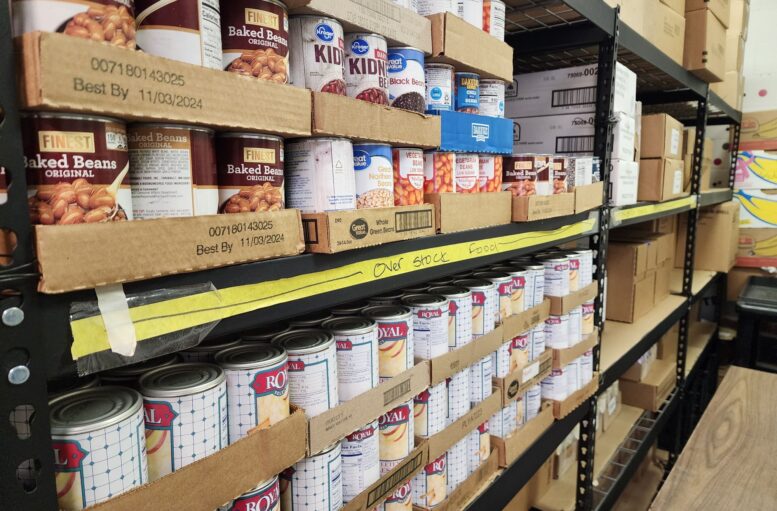
Six local pantries and churches that feed the hungry have been granted emergency funding from the City of Bowling Green.
Earlier this month, Bowling Green City Council voted unanimously to devote $50,000 from the city’s coffers to help feed those in need in the community. The ordinance came after a prolonged federal government shutdown which cut off SNAP food benefits.
While the shutdown has ended, and SNAP has been reinstated, city leaders believed the emergency food grants were still worthy of funding.
“There is still food insecurity,” said Martha Woelke, director of administrative services for the city. “The cost of food is up so much, people are still struggling.”
The applications for funds from local food pantries and churches totaled $48,000 – so all requests were fully funded. Receiving funds are:
- Brown Bag Food Project: $15,000
- First United Methodist Church: $12,000
- Bowling Green Christian Food Pantry: $10,000
- First Christian Church of BG: $5,000
- St. Thomas More Food Pantry: $5,000
- Falcon Food Pantry: $1,000
Each entity must report back to the city on how the funding is used. The money will be dispersed before Thanksgiving.
On Nov. 3, City Council passed the emergency food ordinance introduced by council member Joel O’Dorisio.
O’Dorisio said he introduced the ordinance because this is the first time since the inception of SNAP (Supplemental Nutrition Assistance Program) that the program has been interrupted.
“I’m concerned if we don’t immediately get funds to the food banks in town we’re going to have hunger in our community,” O’Dorisio said.
Mayor Mike Aspacher said the city was in preliminary discussions on how to make sure the funding is equitably distributed to the agencies and organizations that provide food assistance in the community. City leaders also discussed how to make sure those receiving the funds are held accountable.
The U.S. Department of Agriculture froze payments to SNAP starting Nov. 1 because it said it could no longer keep funding it due to the shutdown. The federal food program serves about one in eight Americans and is a major piece of the nation’s social safety net for nearly 42 million citizens. It costs about $8 billion per month nationally.
The average monthly benefit is usually about $190 per person.
In Ohio, approximately 1.4 million citizens receive SNAP benefits, adding up to a total of $264 million each month.
Though the shutdown ended last week, the reinstatement of SNAP was not immediate.
Dave Wigent, director of the Wood County Department of Job and Family Services, reported Tuesday morning that he had been notified that SNAP benefits for Wood County residents were expected to be sent out to recipients by the end of the work day on Wednesday (11/19).
During the federal government shutdown, most Wood County recipients had received the first half of their SNAP benefits earlier in the month. Wigent said he expects the December benefits to be distributed in their entirety as is customary.