
By JAN McLAUGHLIN
BG Independent News
The park and recreation programs in Bowling Green are considered by many to be priceless. But at least once member of the city’s park and recreation board is questioning if a levy request may put the price of park programs out of reach for some families.
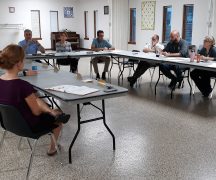
At last week’s park and recreation meeting, board member Lisa Lawson expressed concerns about the increase in the proposed levy to appear on the November ballot. The increase in taxes could leave families lacking funds for park and rec programs, she said.
For 10 years, the millage of the park levy has been 2 mills.
Earlier this year, the levy committee – led by board members Tom Ross as chairman, and Emily Keegan as vice chairman – came to the conclusion that when the current 2-mill levy expires in December, the park board should seek a renewal of those 2 mills, plus ask for an additional 0.95 mills. The levy duration would be five years.
The levy committee faced the economic reality that despite making cuts to expenses, the parks and rec department has been encountering more expenses, and consequently has been operating with a deficit budget for the last three years.
The existing 2-mill levy generates $1.197 million annually, costing the owner of a home valued at $250,000 approximately $132 a year, Ross explained. If passed by voters, the new 2.95-mill levy would generate about $1.748 million annually, and cost the owner of a $250,000 home approximately $215 a year, he added.
While the millage has been stuck for 10 years, some program fees have inched upward to help pay for expenses.
Lawson pointed out that the board voted last year to increase pool pass rates by 10% each year over the next three years.
“I’ve great concerns about affordability in this community,” she said. “There are a lot of families just holding on by their fingernails.”
Kristin Otley, director of the BG Parks and Recreation Department, reminded that aside from the pool rates, no other program or rental fees were increased this year. The fees in place are “extremely reasonable” and comparable to those in other neighboring communities, she said.
Otley said the parks and rec department has to engage in a delicate balancing act – not wanting to increase fees, but wanting to provide quality programs in well maintained parks and facilities.
“Our fees for our programs are extremely reasonable,” she said. “Everything is more expensive.”
Otley also pointed out that the city’s parks are open to anyone 365 days a year – for no charge.
Lawson and Otley shared the same concerns about families being able to afford park programs, especially for their children. Otley said she didn’t expect the board to be asked for fee increases this fall.
Otley said the city will continue to offer reduced rates to families in need, with a “splash fund” created specifically for that purpose.
Families seeking waived fees due to financial hardship should visit the BG Community Center front desk. Fee waivers apply to most, but not all programs, and are only available to city residents. Waivers include a 50% discount on BG City Pool and Community Center passes, and two free activity programs per child per calendar year.
The last time pool rates were increased was 2023, when only the fees for non-residents were raised.
A family pool pass for a Bowling Green family this year costs $187, while a daily pass for city residents under age 18 is $6.50 a day.
Last year, Otley explained the reasons for the proposed pool and program hikes, including the fact that fees have remained unchanged for six years.
Meanwhile, the parks and rec department has dealt with minimum wage increases, growing expenses for materials and supplies, and mounting maintenance costs. The 14-year-old pool and waterpark is requiring more upkeep. Plus, positions previously held by volunteers (like parents coaching teams) often have to be filled now by part-time paid staff.
As a public entity, the city typically subsidizes youth programs, while asking adults to cover the costs for their programs. A sample of program costs shows a T-ball sports camp over nine weeks costs $58, a nature camp (three hours a day for a week) costs $70, Safety Town for two weeks costs $52, and a Girl Power Tween Camp costs $63.
Swimming lessons are another area where affordability is considered.
“I consider that a safety issue,” Otley said last year.
Bowling Green City Parks and Recreation Department operates nine parks and the community center with new outdoor pickleball courts. The parks, which are spread throughout the community, are settings for sports, nature, gardens, swimming, playing and gathering for special events.